The high country feeder enters a tributary of Slate Run before dropping into
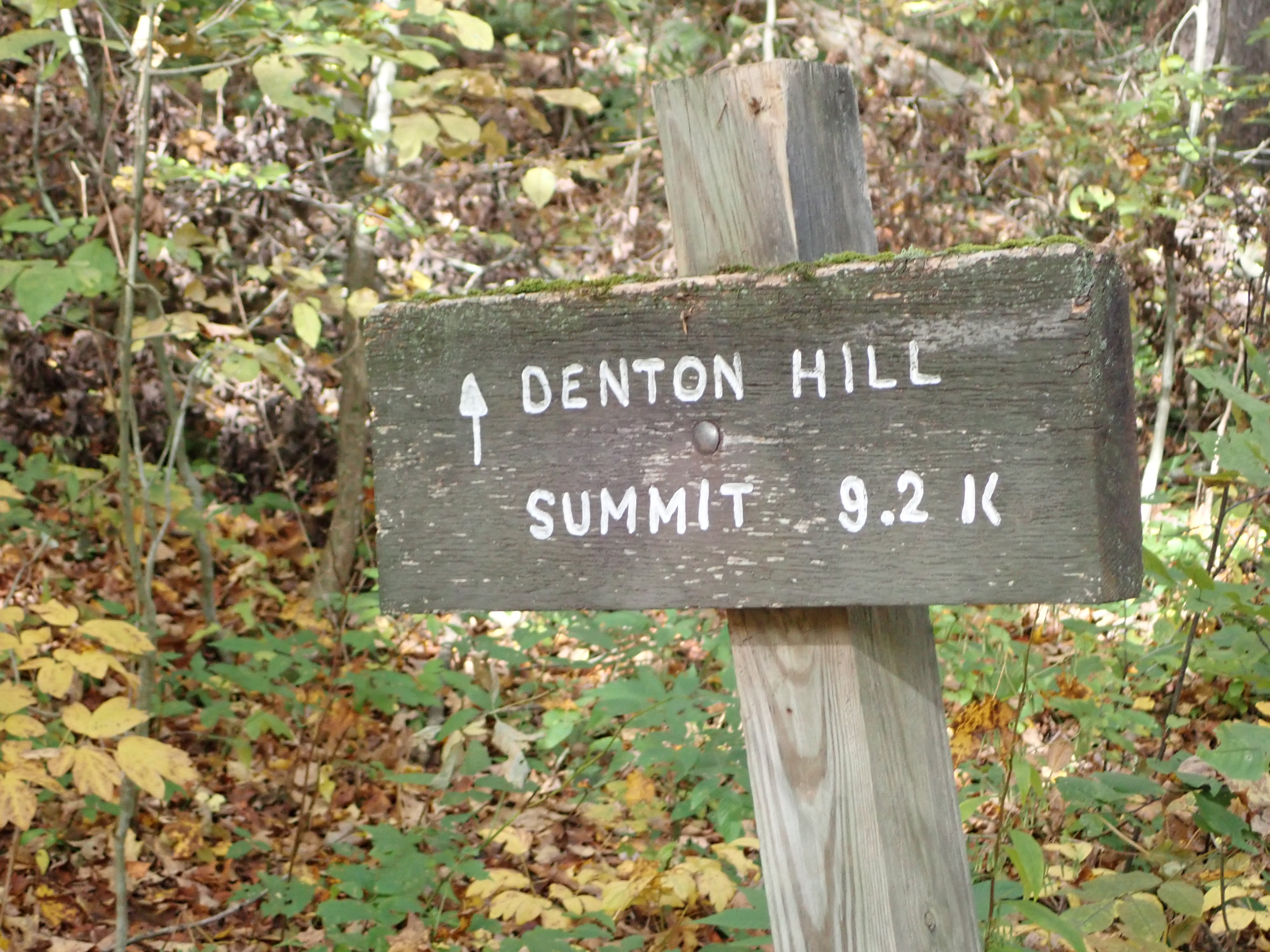
Pennsylvania’s Pine Creek Valley. For years I’d been only half aware of this little stream on state forest land. I’d seen it on the topographic map but had never thought to fish it. For years I had driven by its mouth en route to more well-known sites and never known what I was passing by.
A friend had told me he fished the brookie water in the autumn and enjoyed its colorful native trout and the solitude that only a wild mountain stream can give. On a cool May morning with an overcast sky, I finally had a chance to get acquainted.
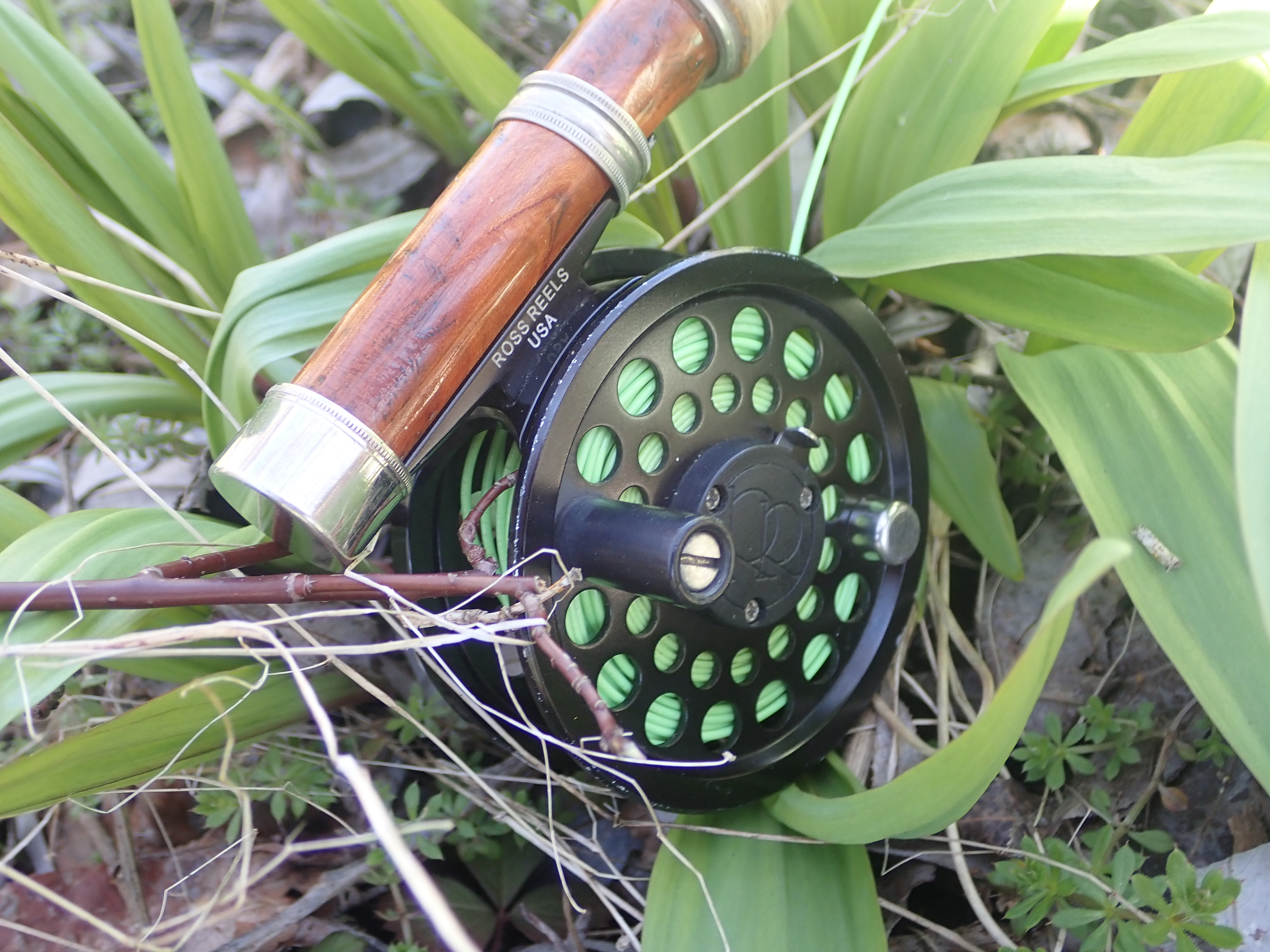
Approaching the little run, I figured I’d spend several hours hiking and fishing into the headwaters. If I had time in the afternoon, I’d go downstream and cast a Little Yellow Stonefly on the clear waters of Slate, then finish up with a bit of fishing on big Pine. For Pine Creek I would need the long rod with a March Brown dry fly on the tippet, with emerger pattern dropped a foot below the dry.
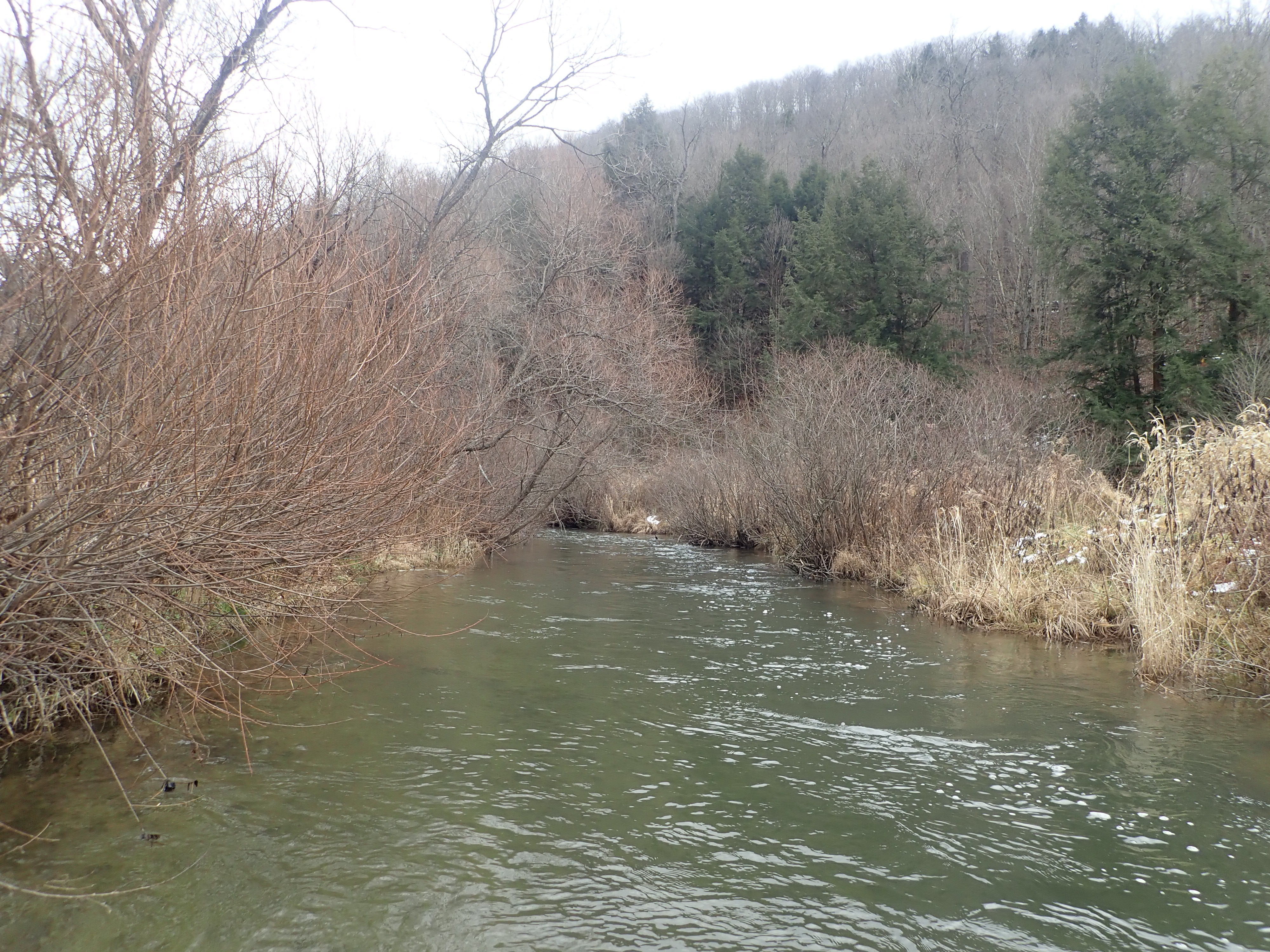
Stepping into the feeder stream, I let all other plans evaporate. The run averaged only
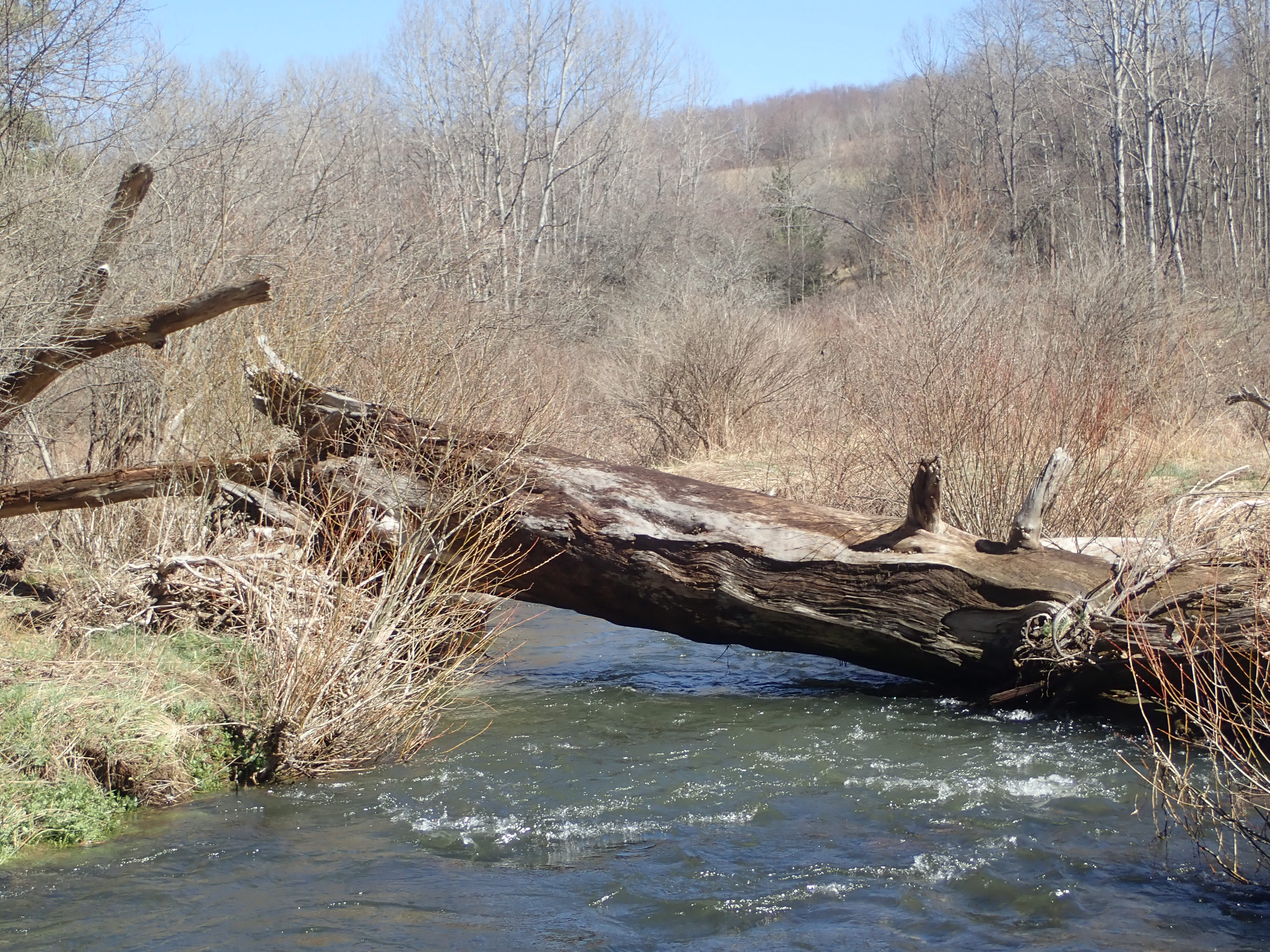
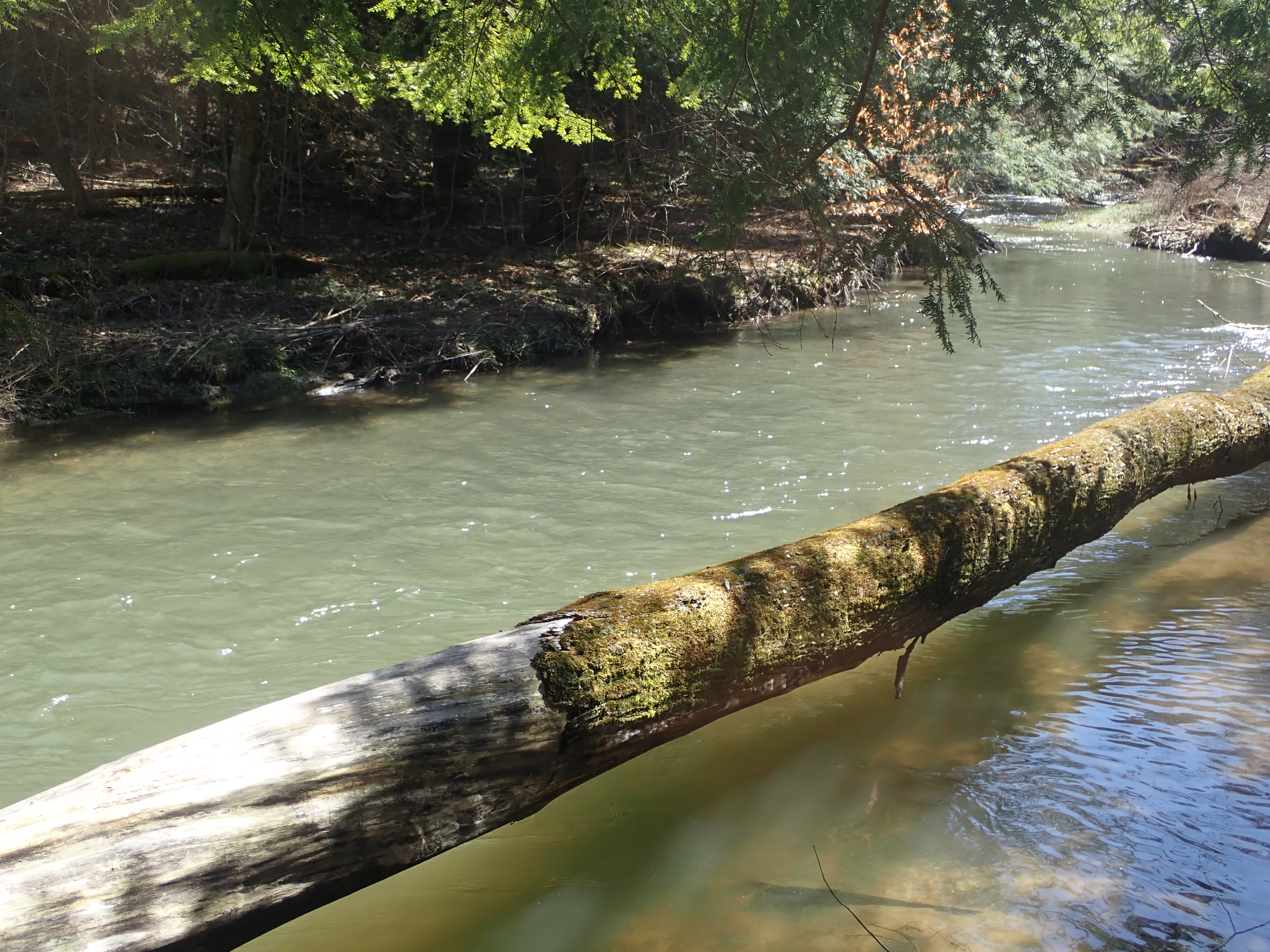
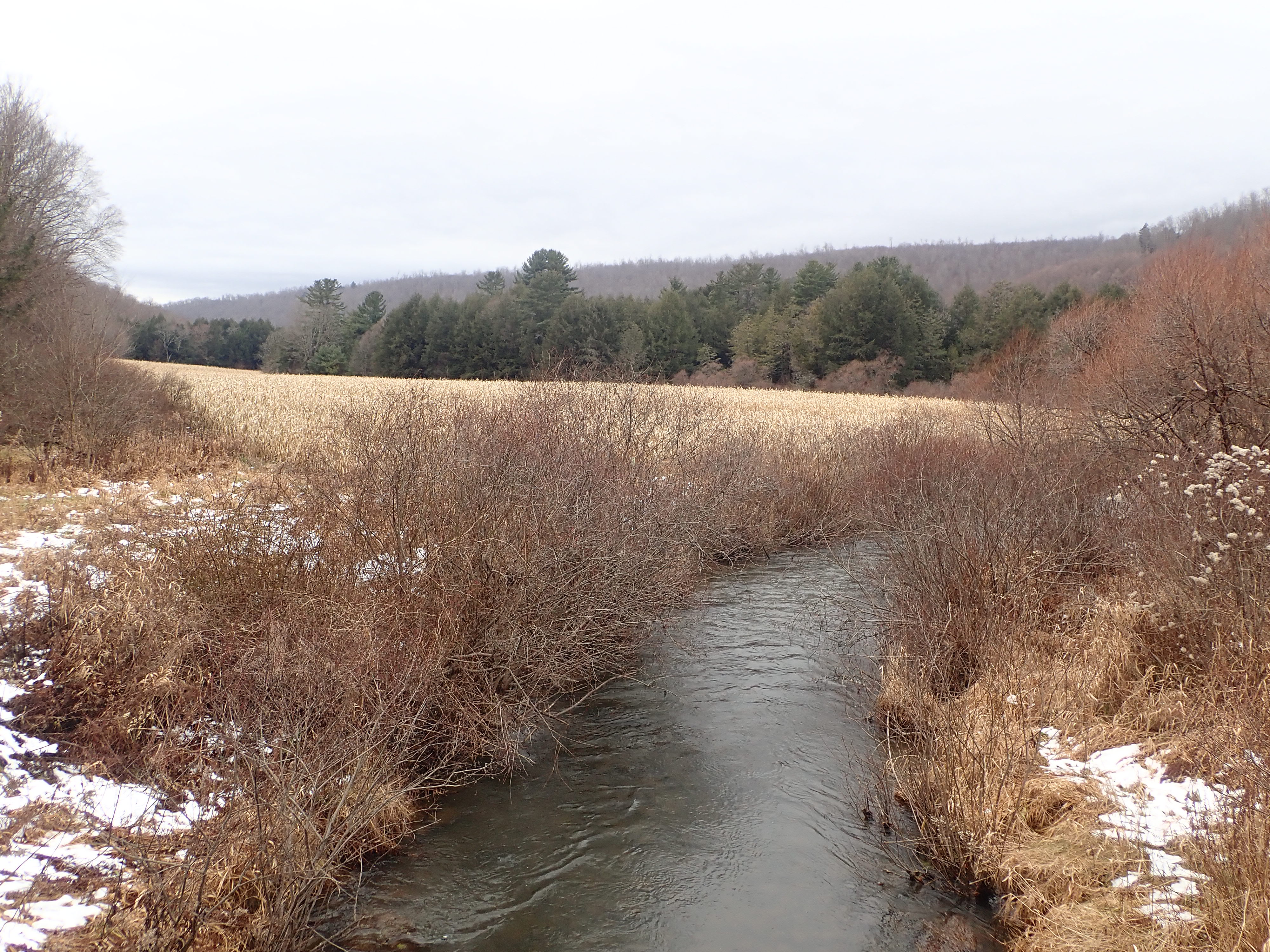
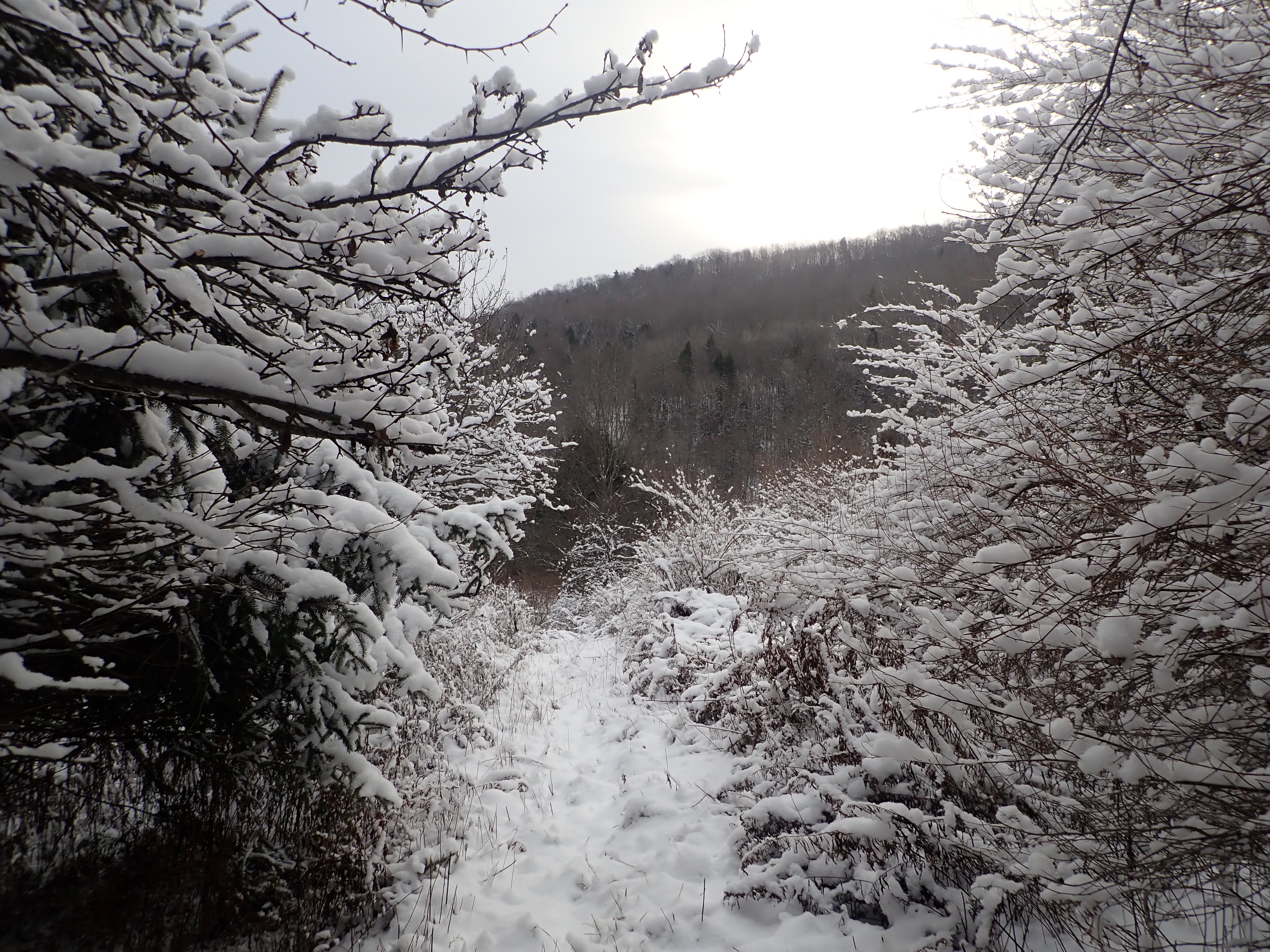
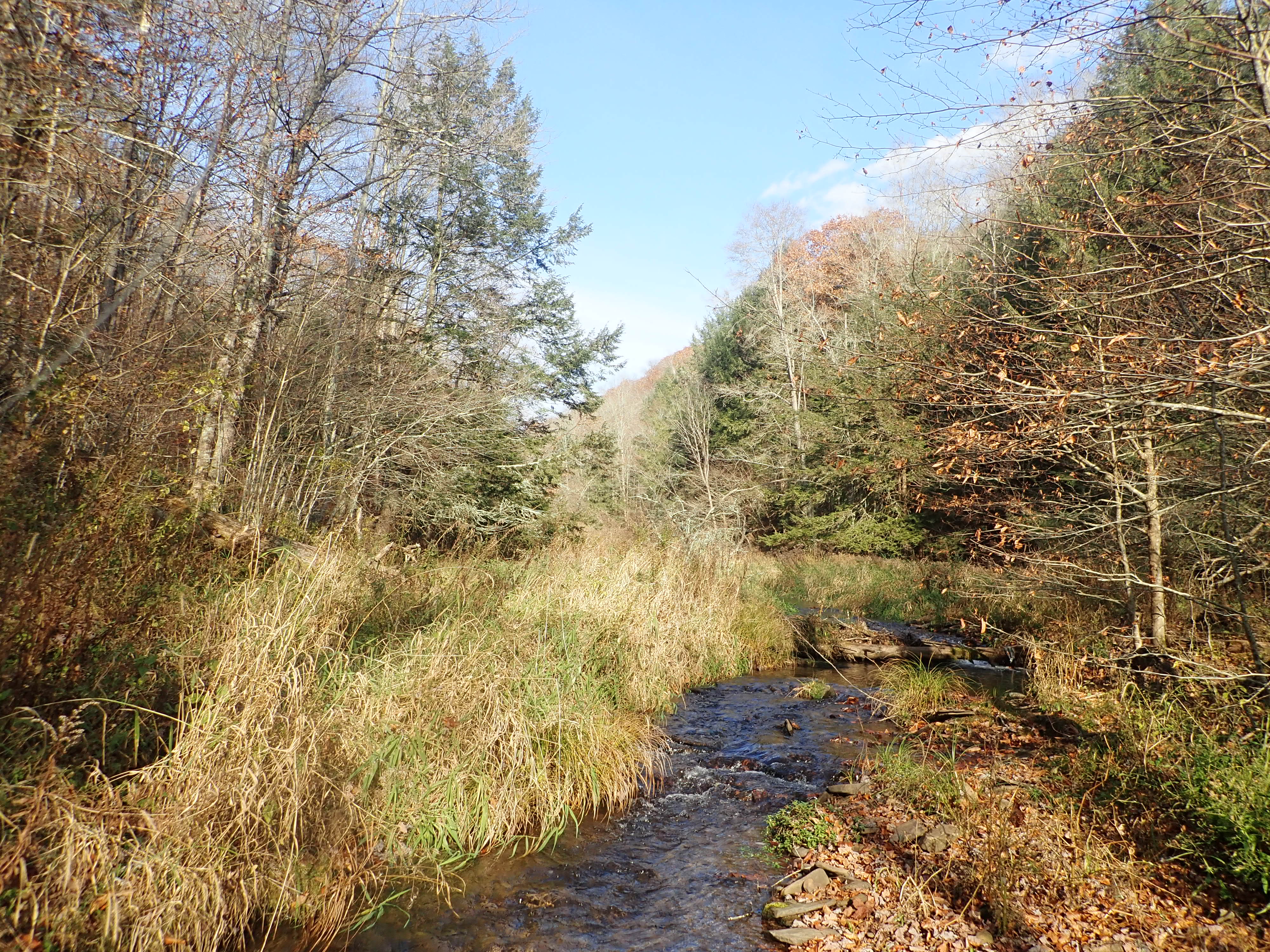
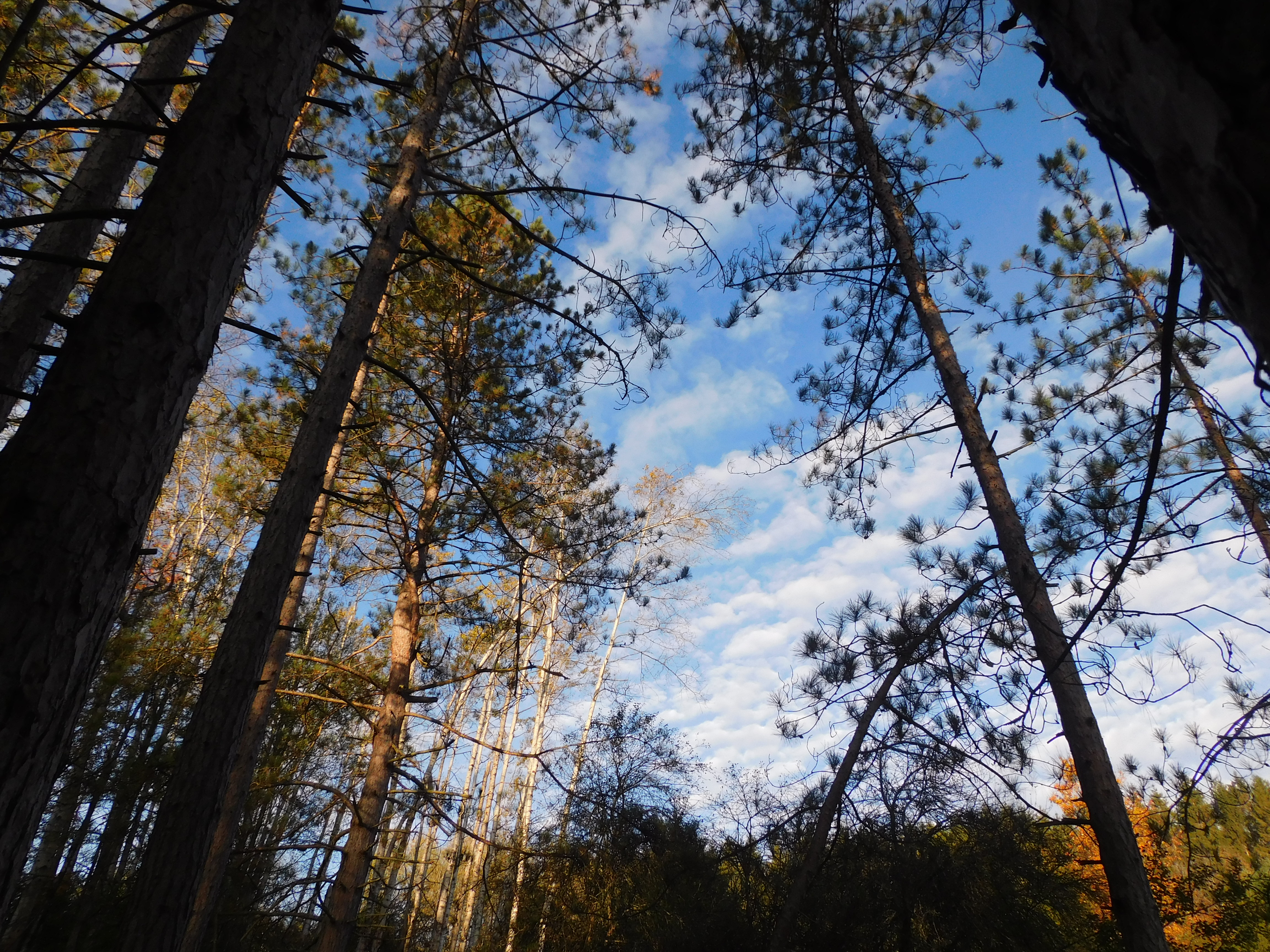
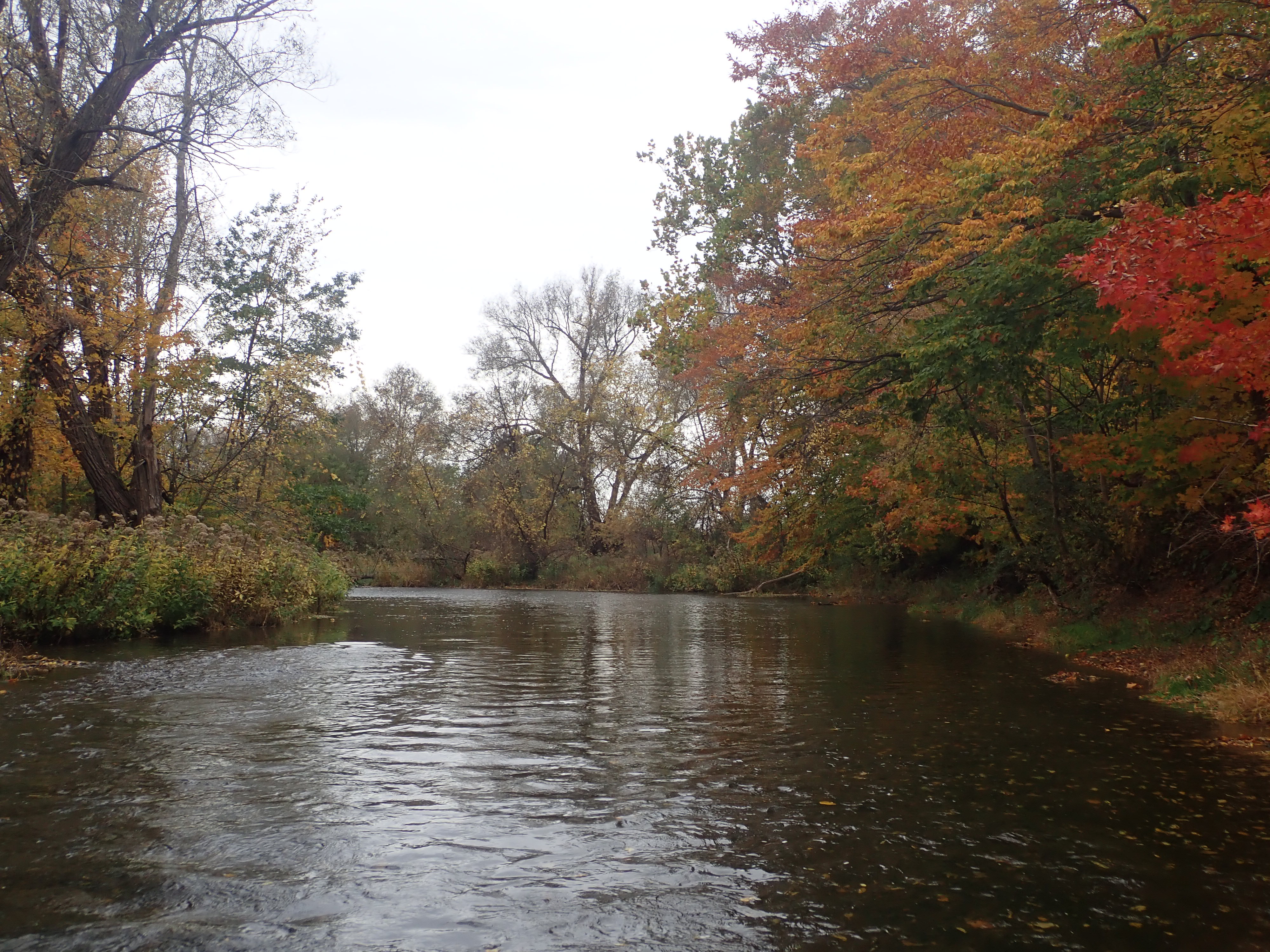
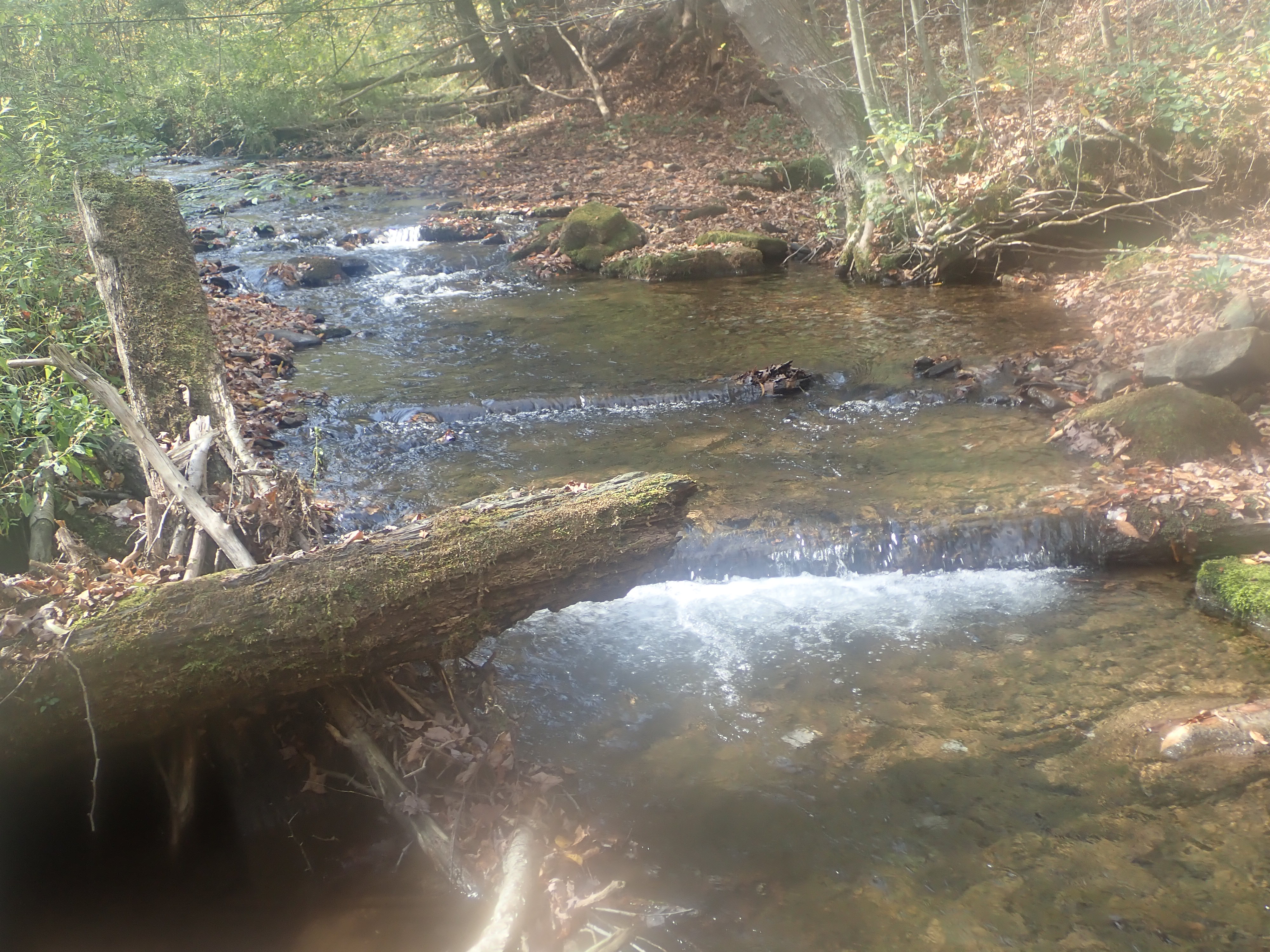
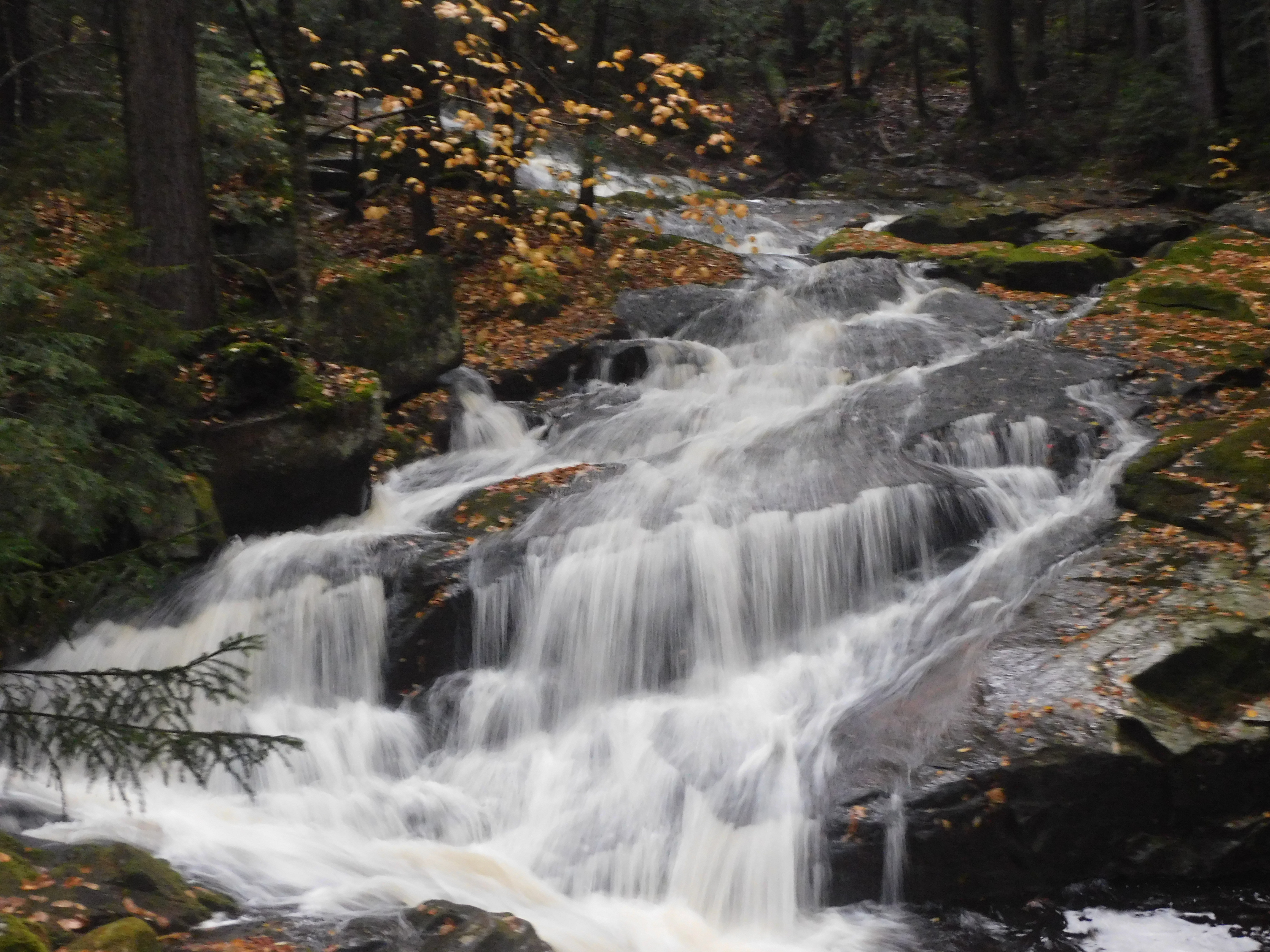
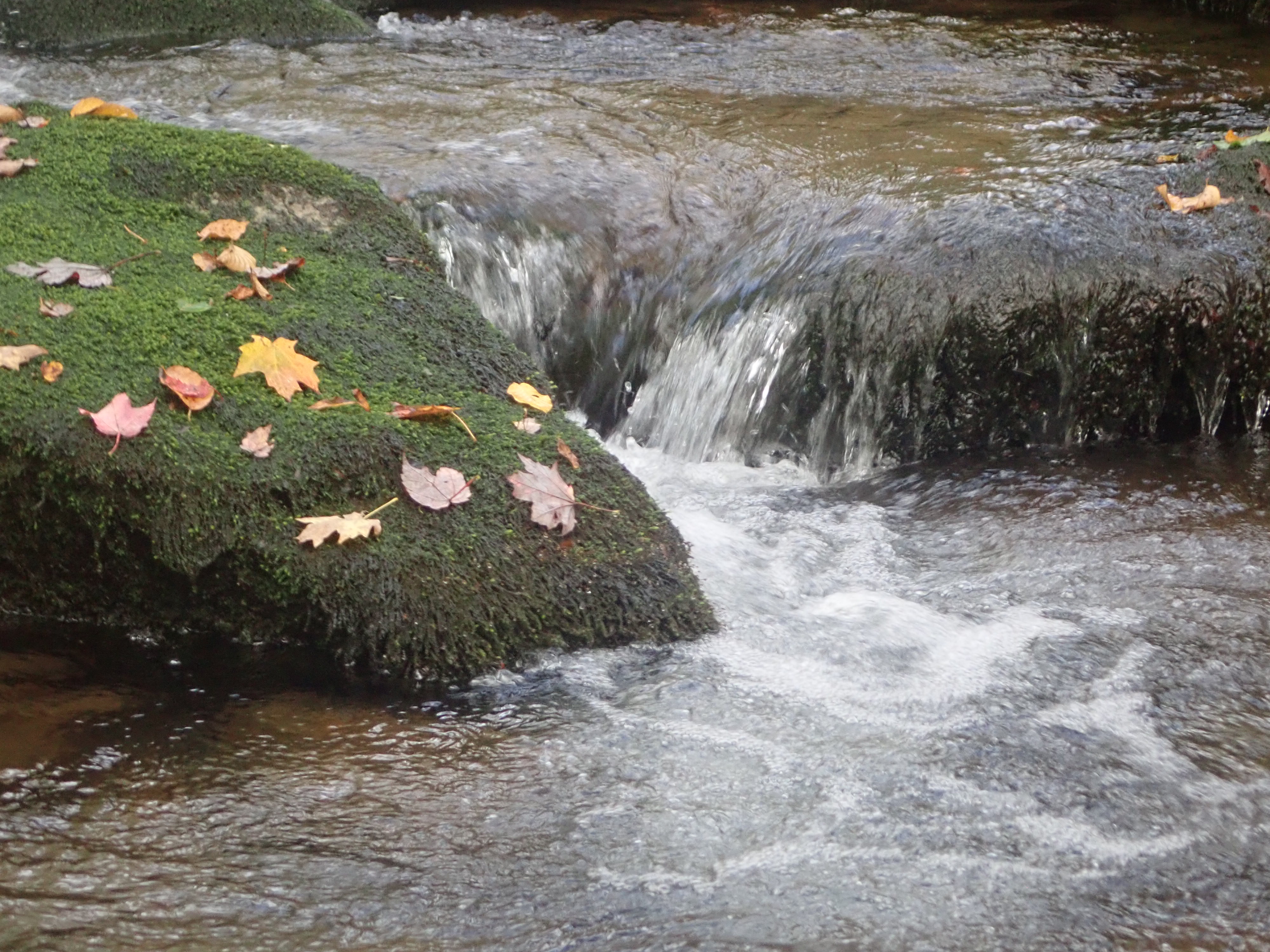
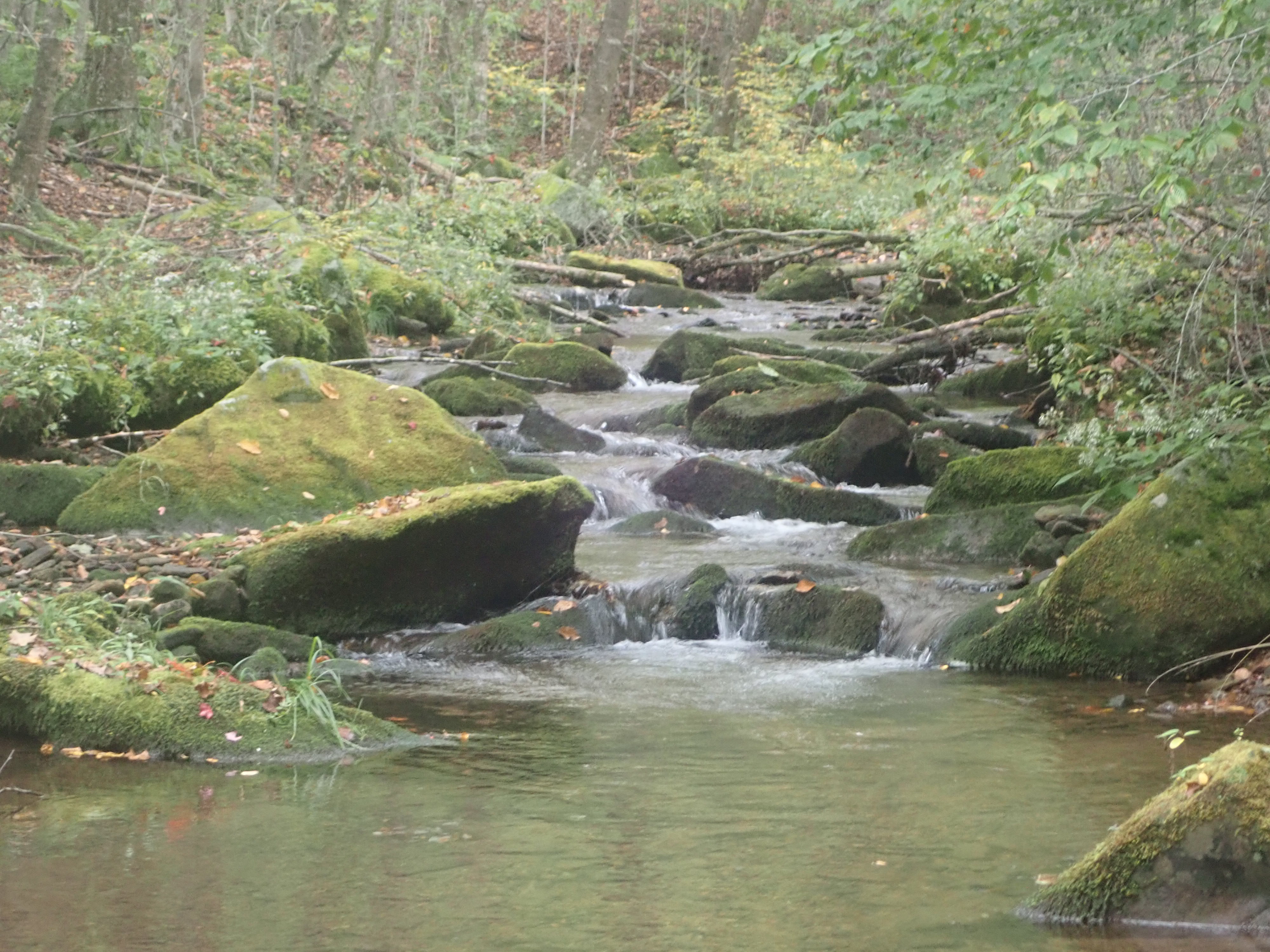
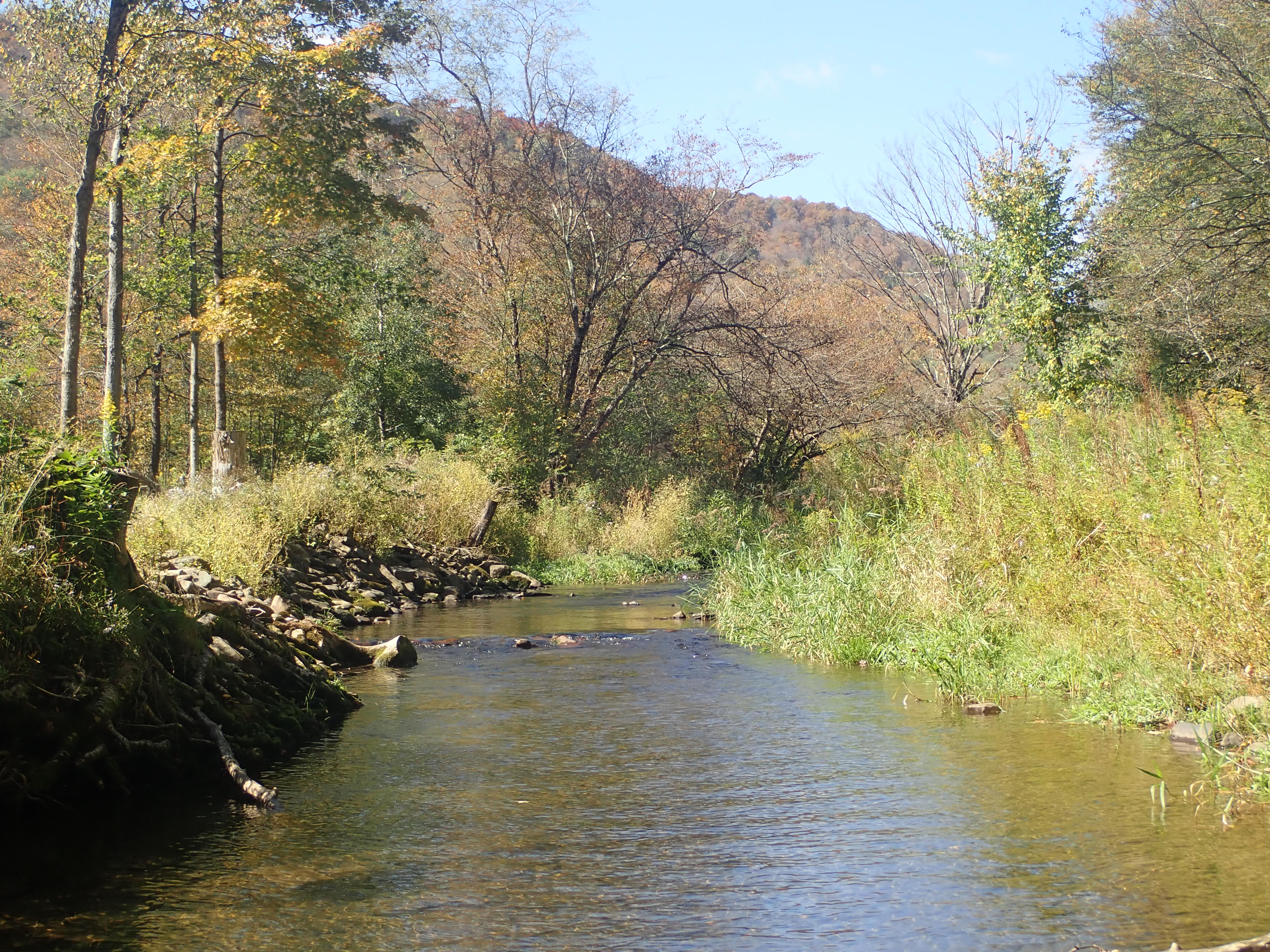
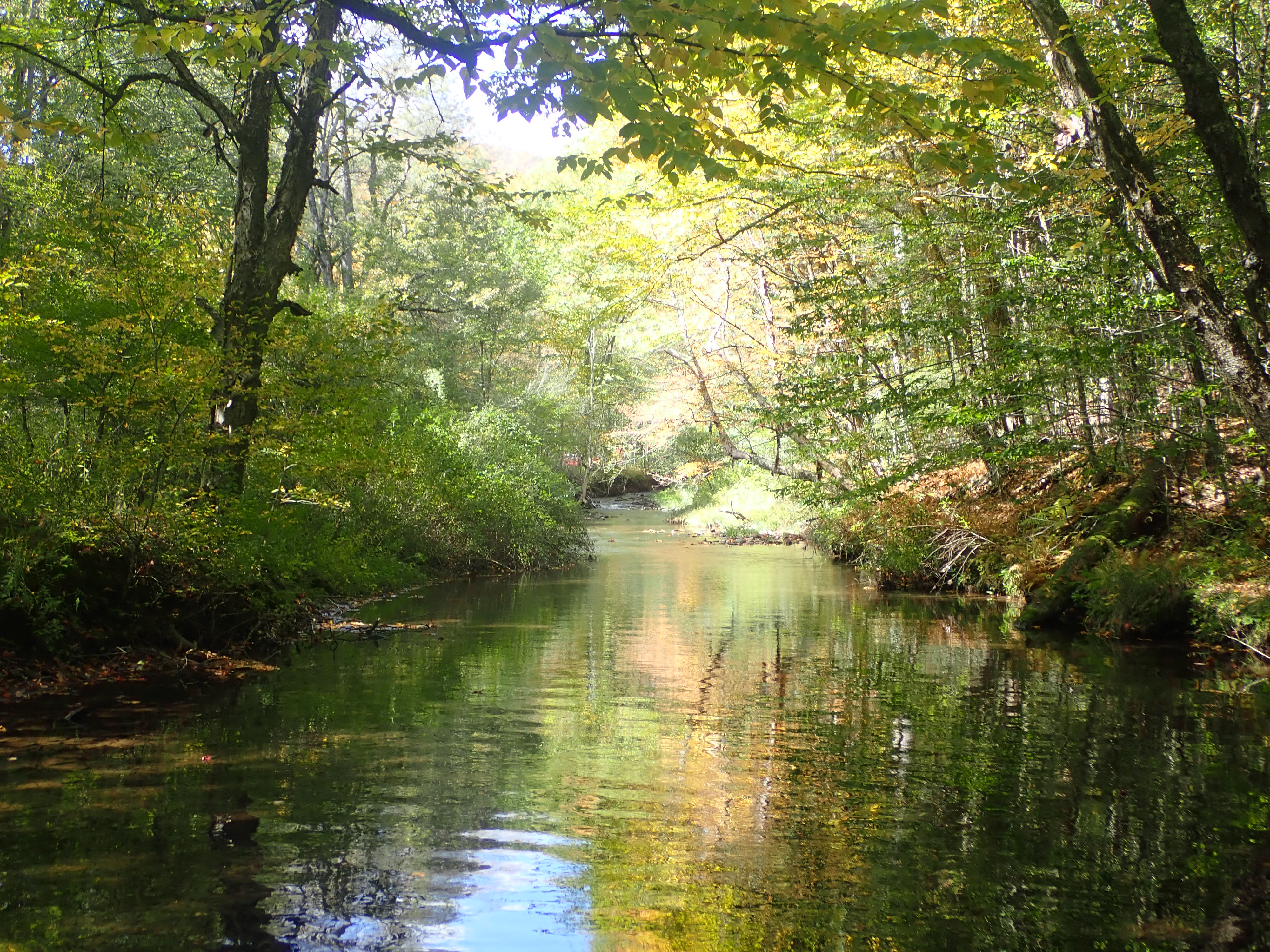
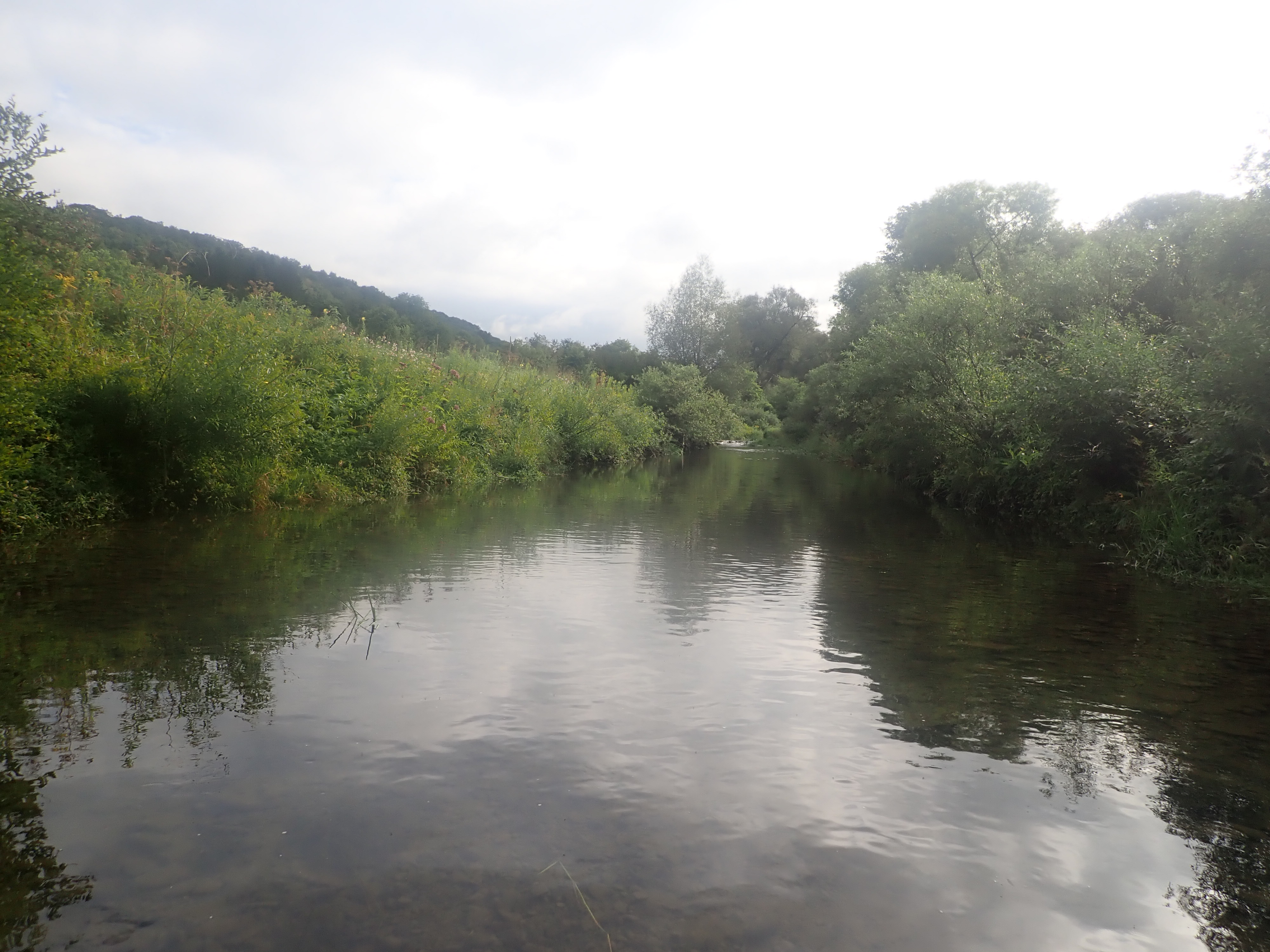
eight to 10 feet in width, but its flow was full, and 48 degrees F. Small logs and boulders helped create numerous pockets, pools, and undercuts. Penetrating this green country with its babbling voice, I found the welcome privacy of public land and water.
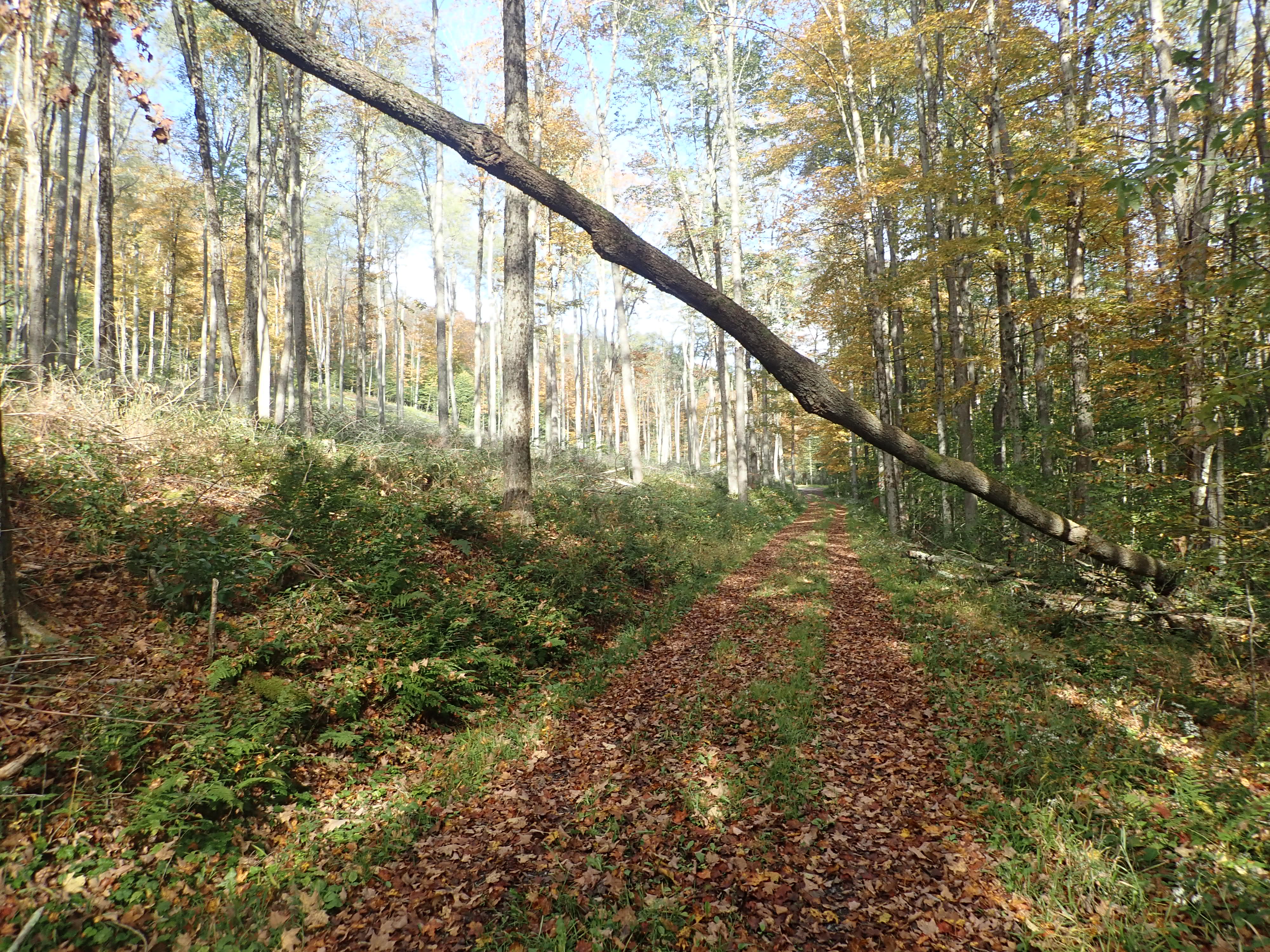
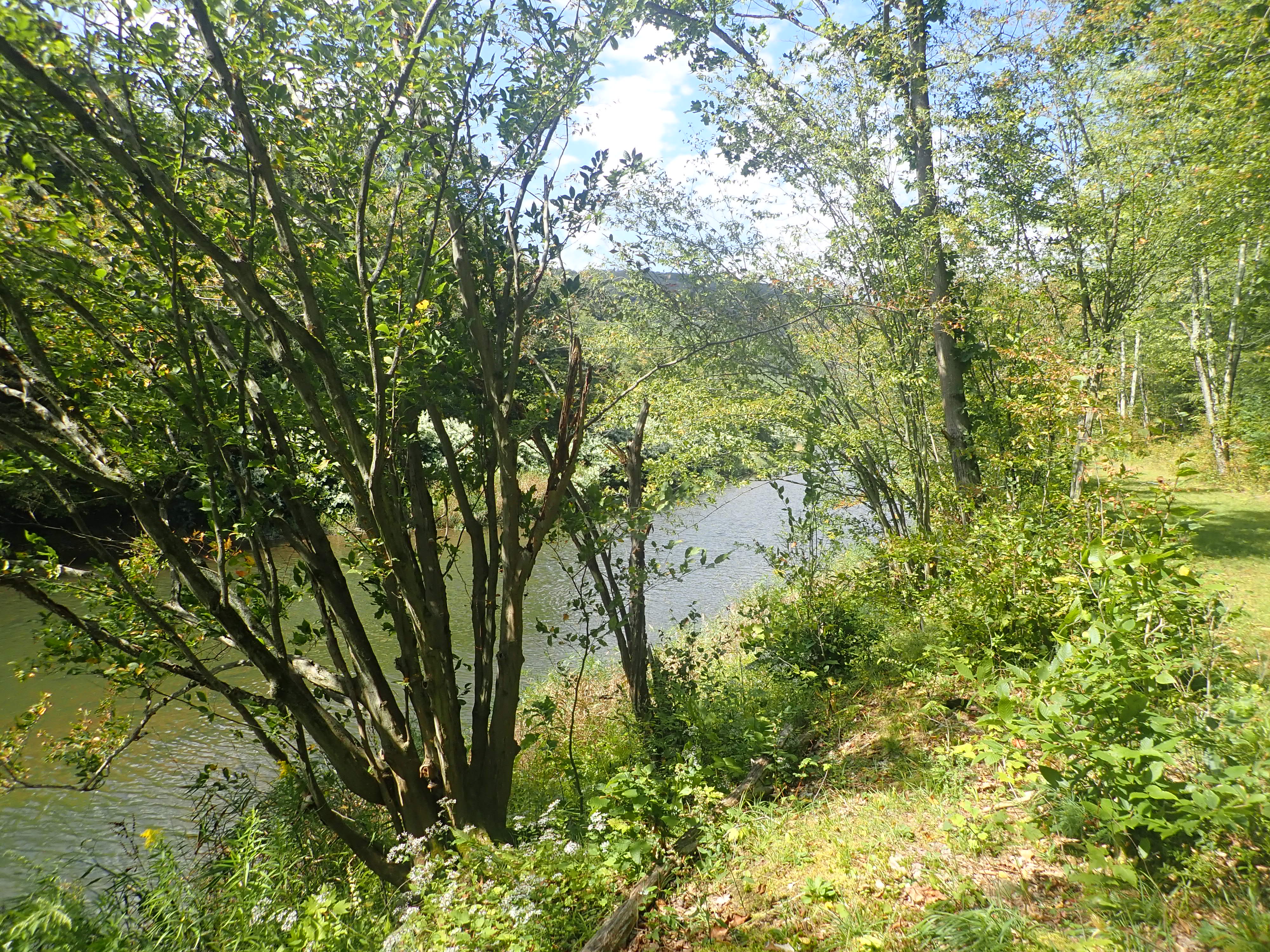
For being so well-shaded, the stream was friendly for a short upstream cast. Until the end of my climb, the only sign of human life was the drone from an airplane over the mountains somewhere. When I quit for lunch near a small waterfall, I noticed the remnants of a railway bed once used for logging.
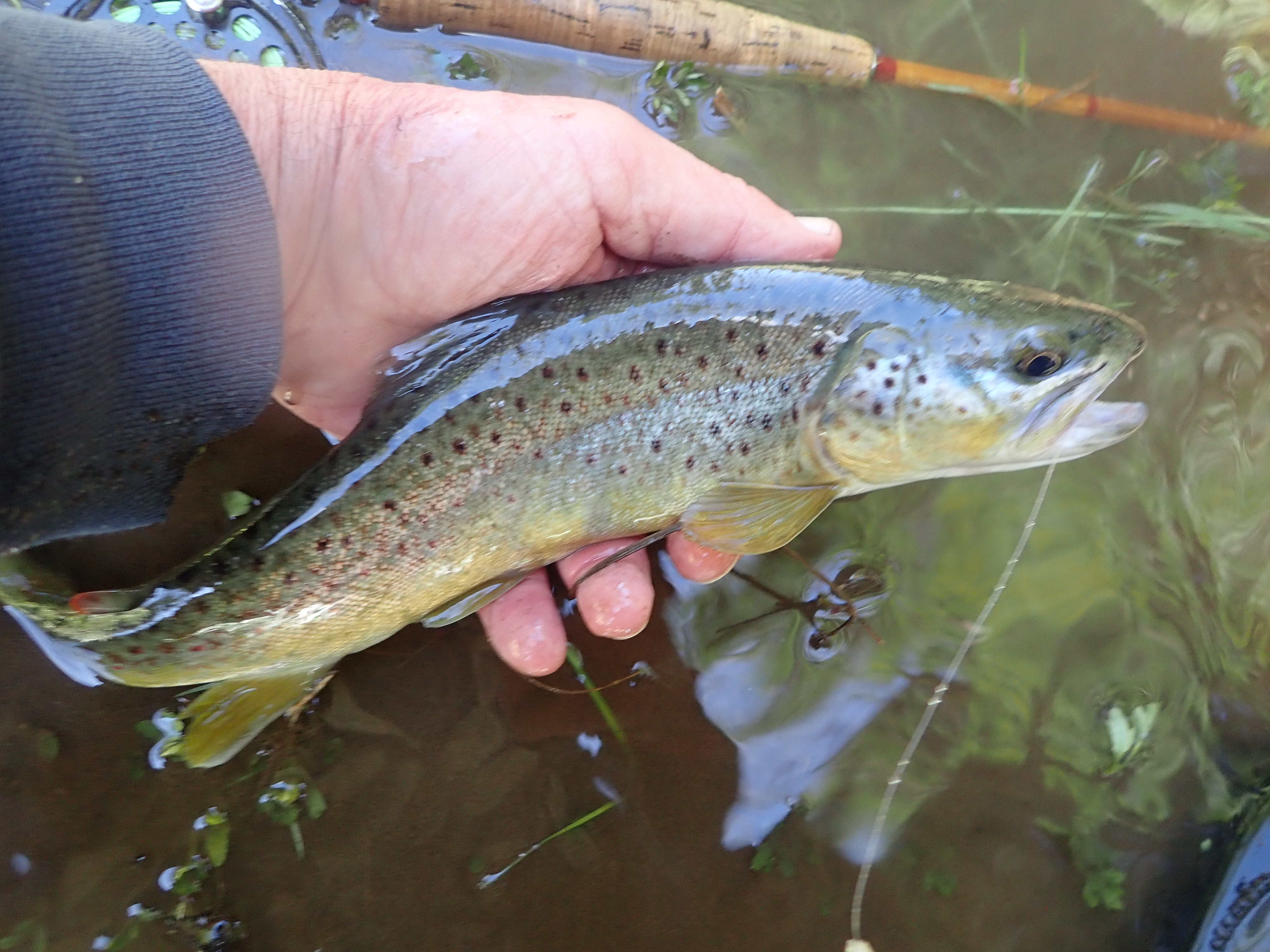
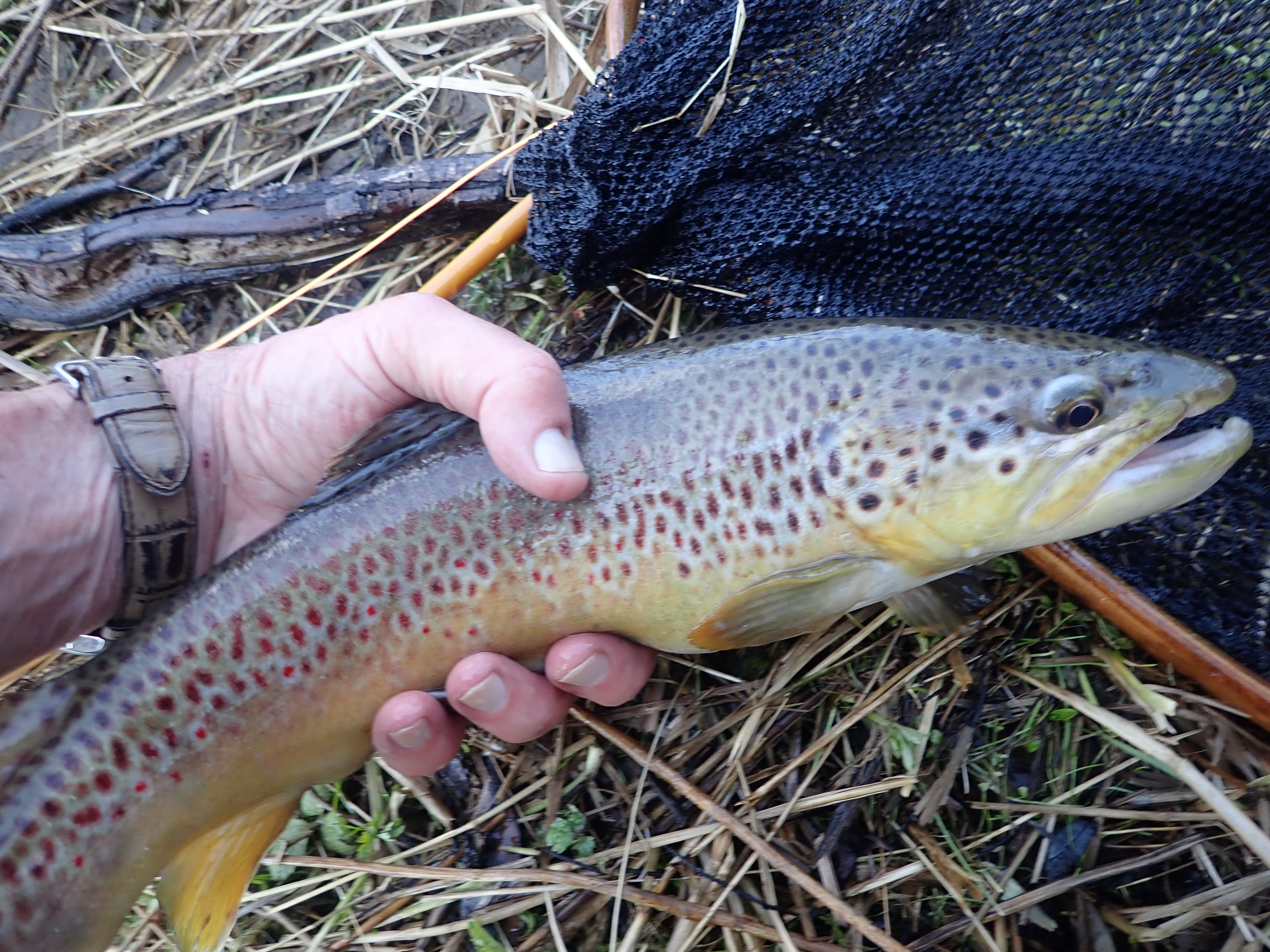
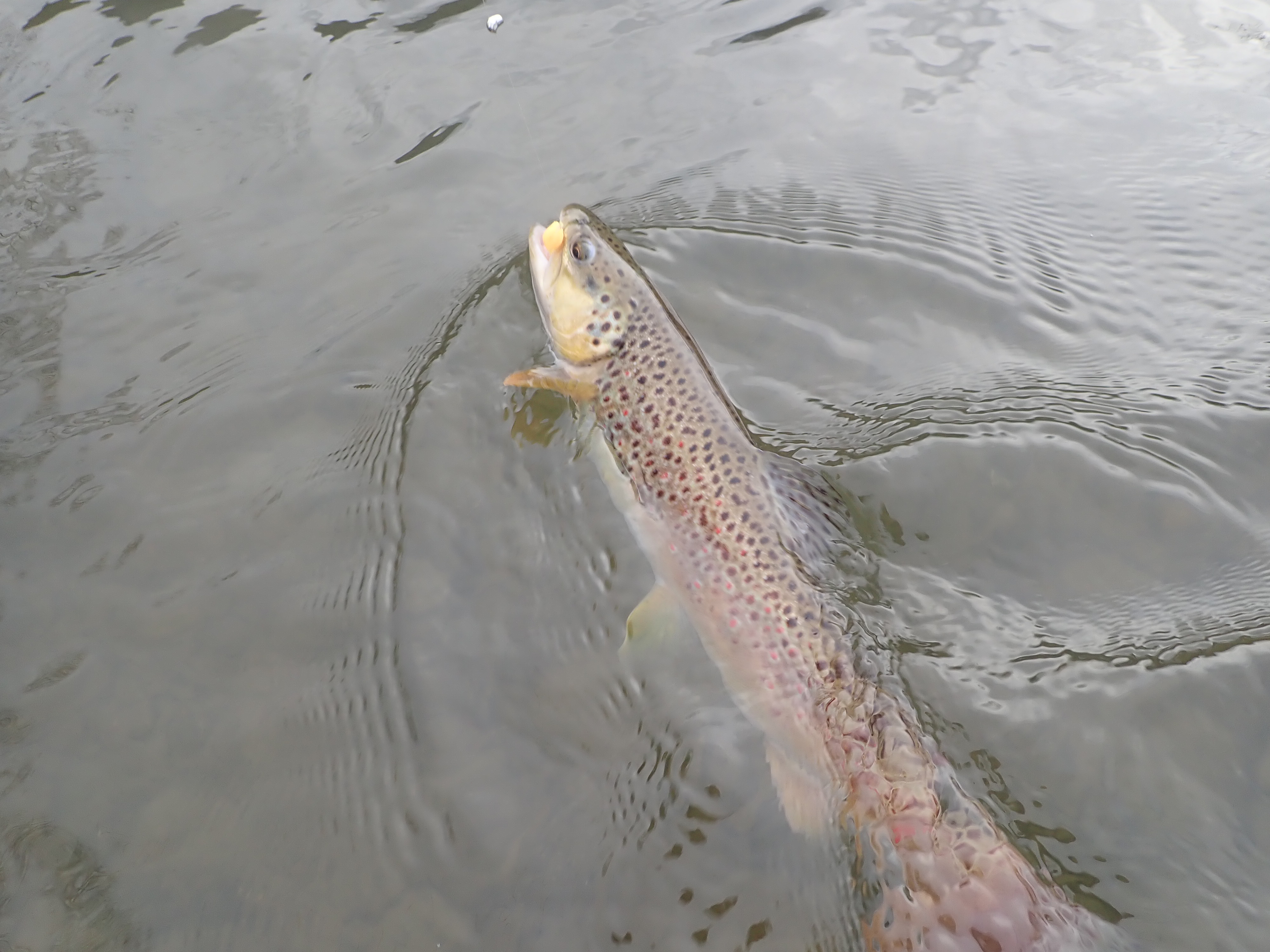
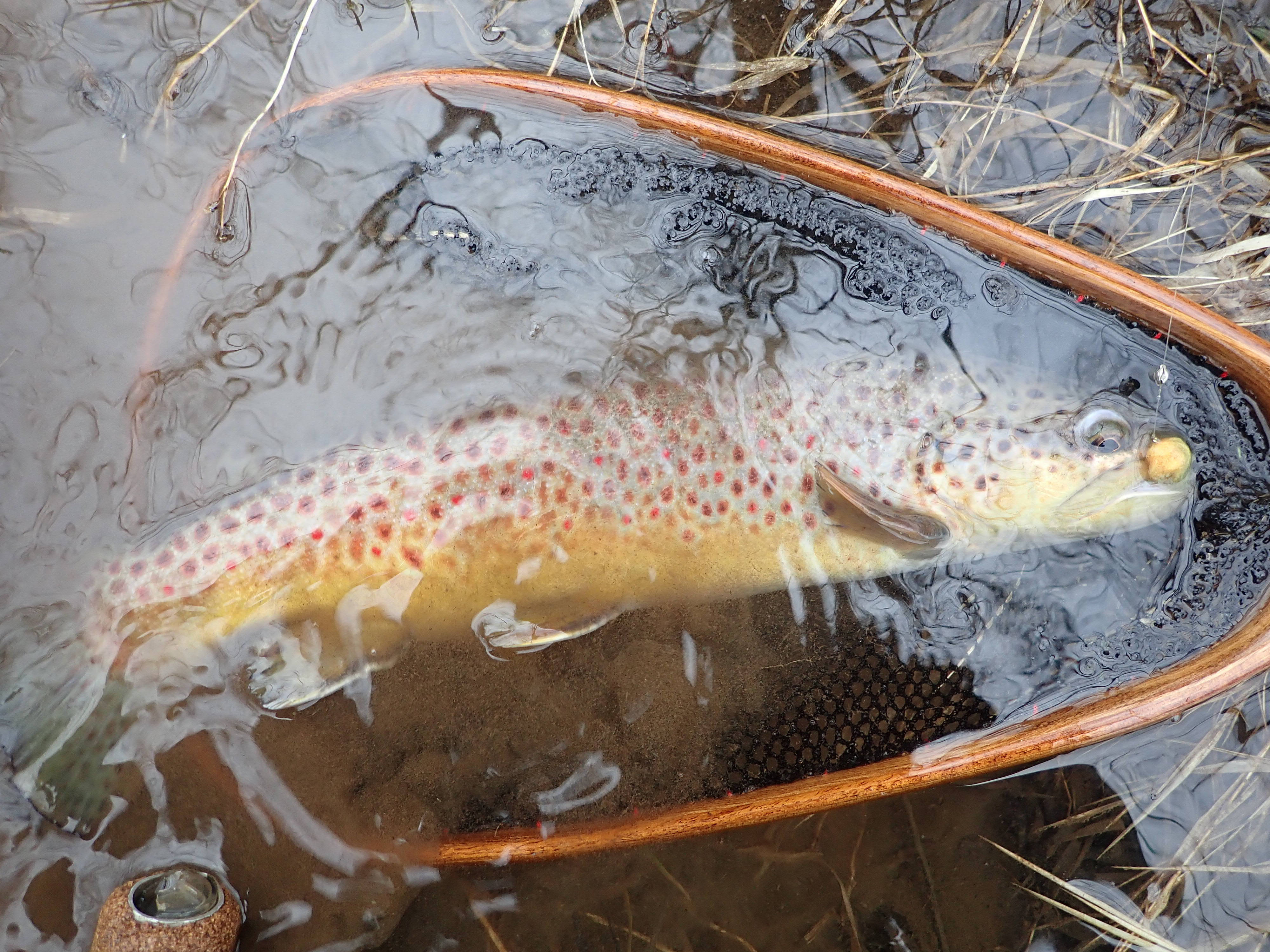
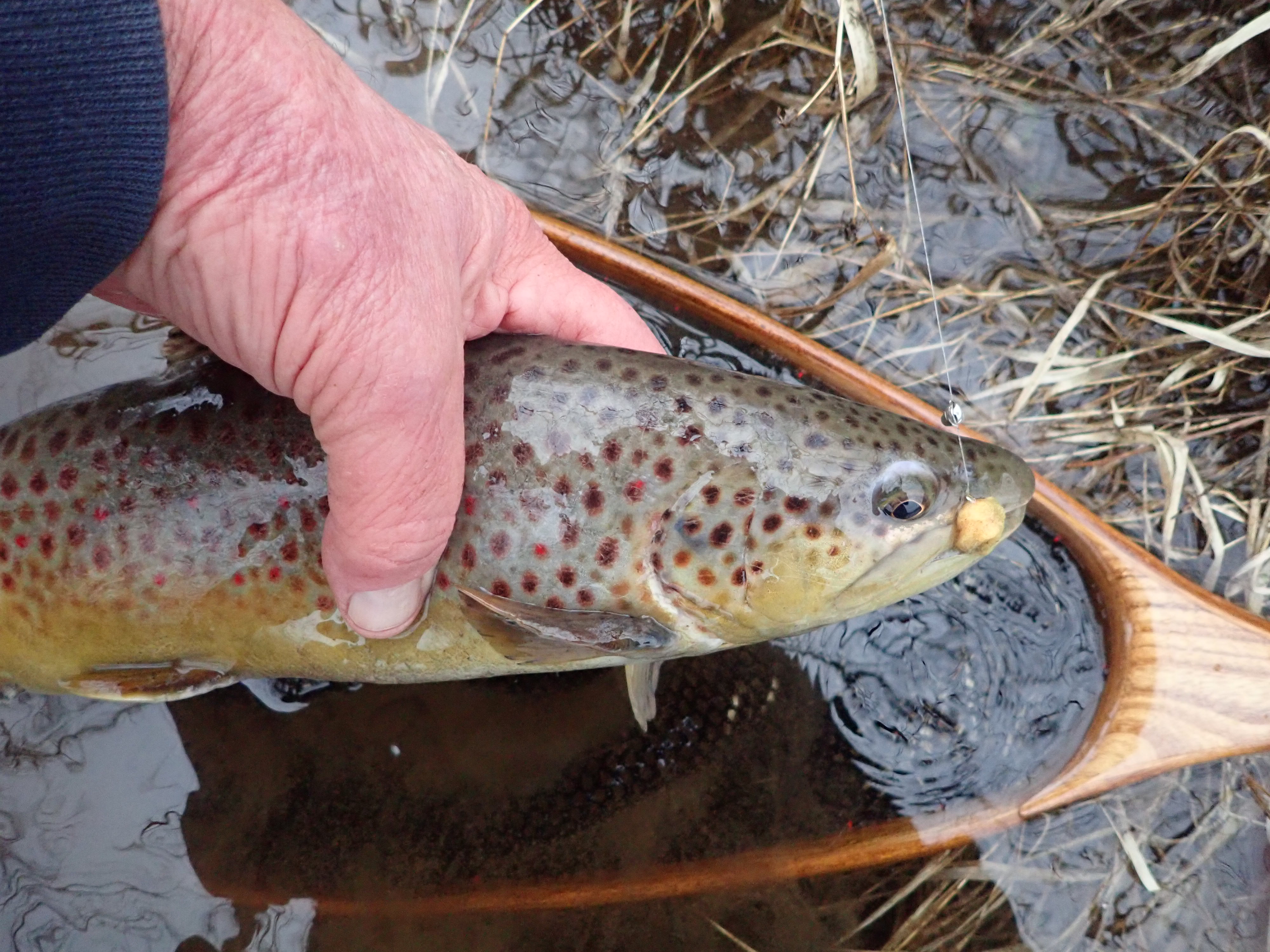
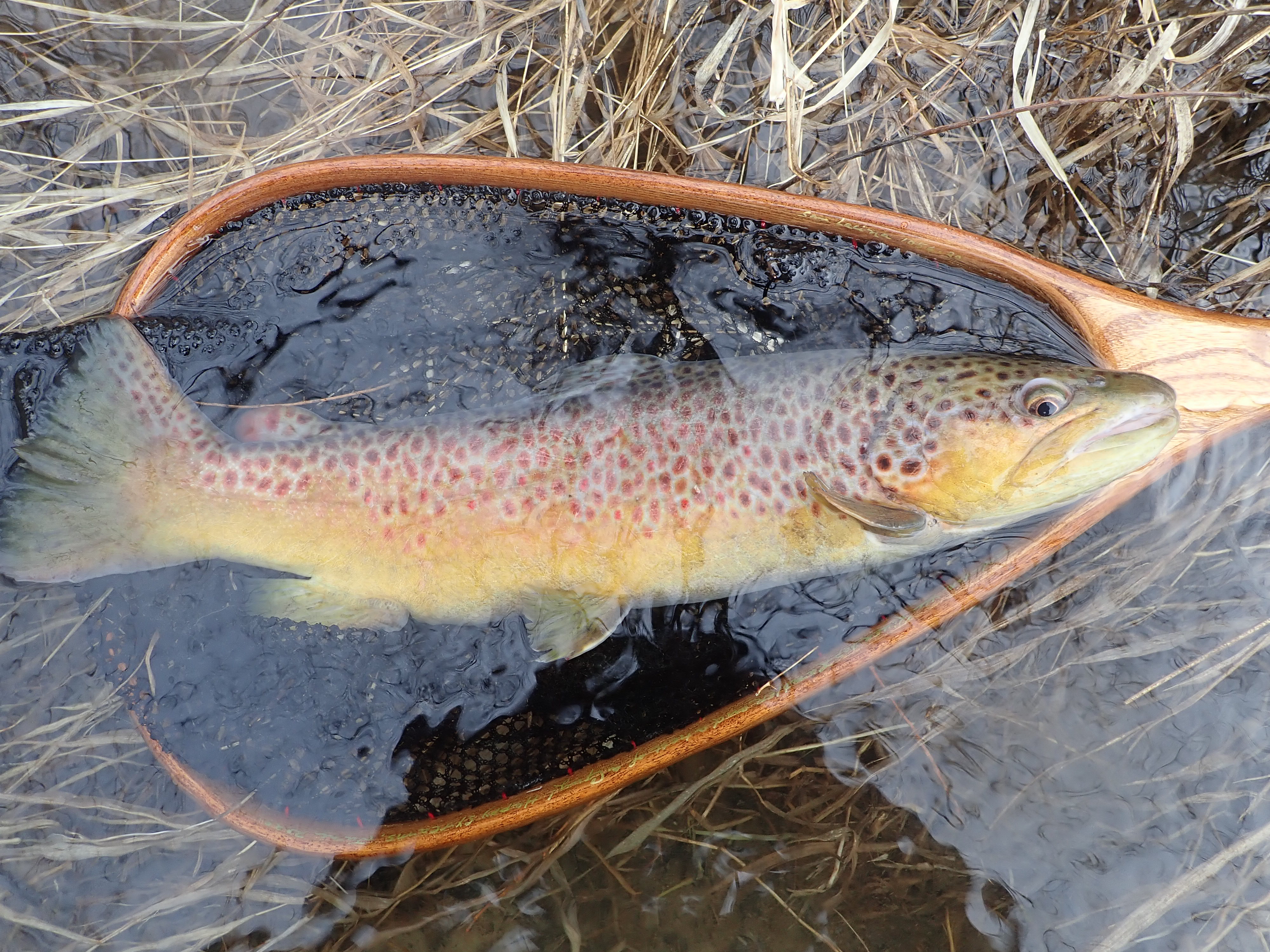
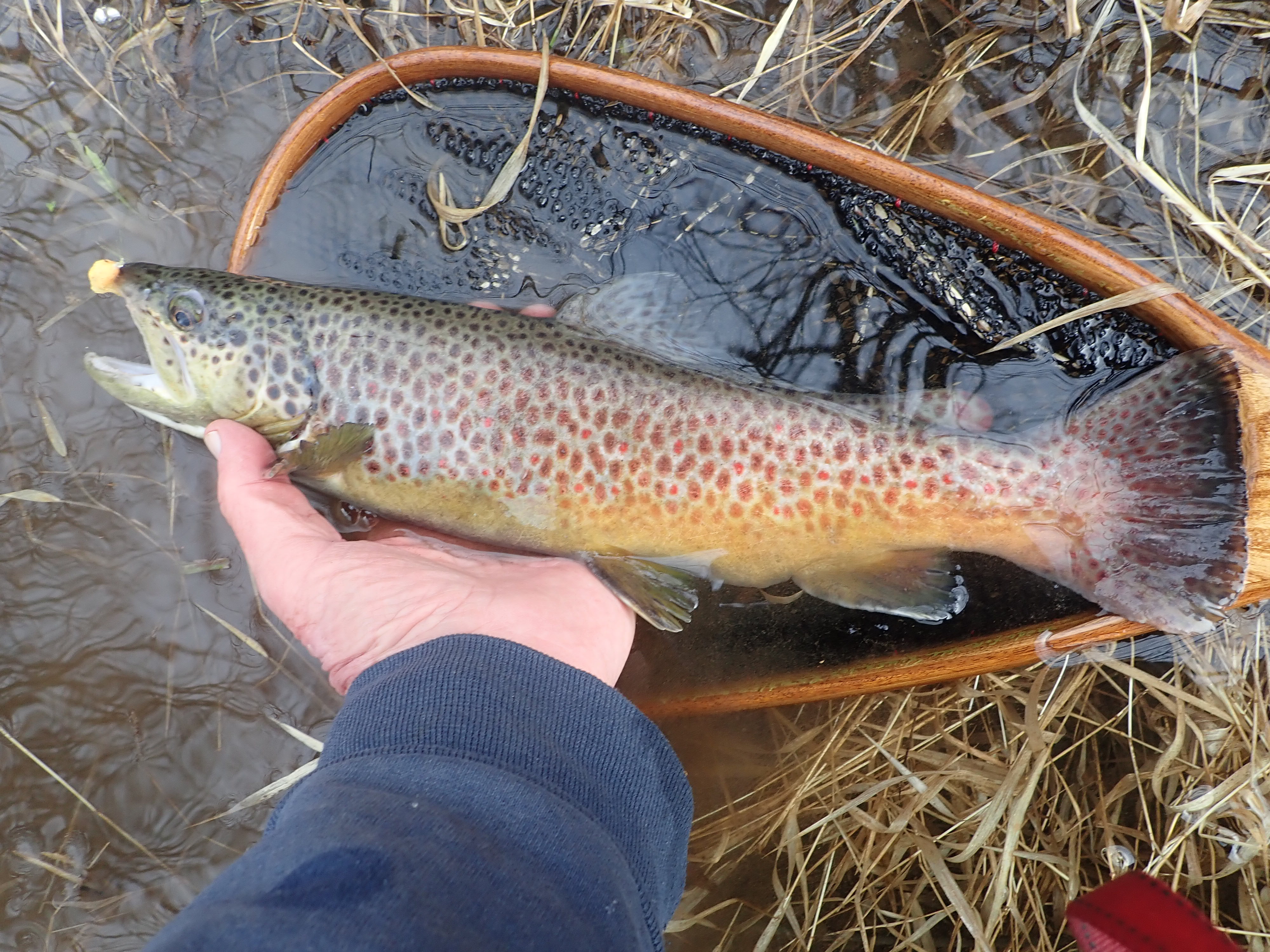
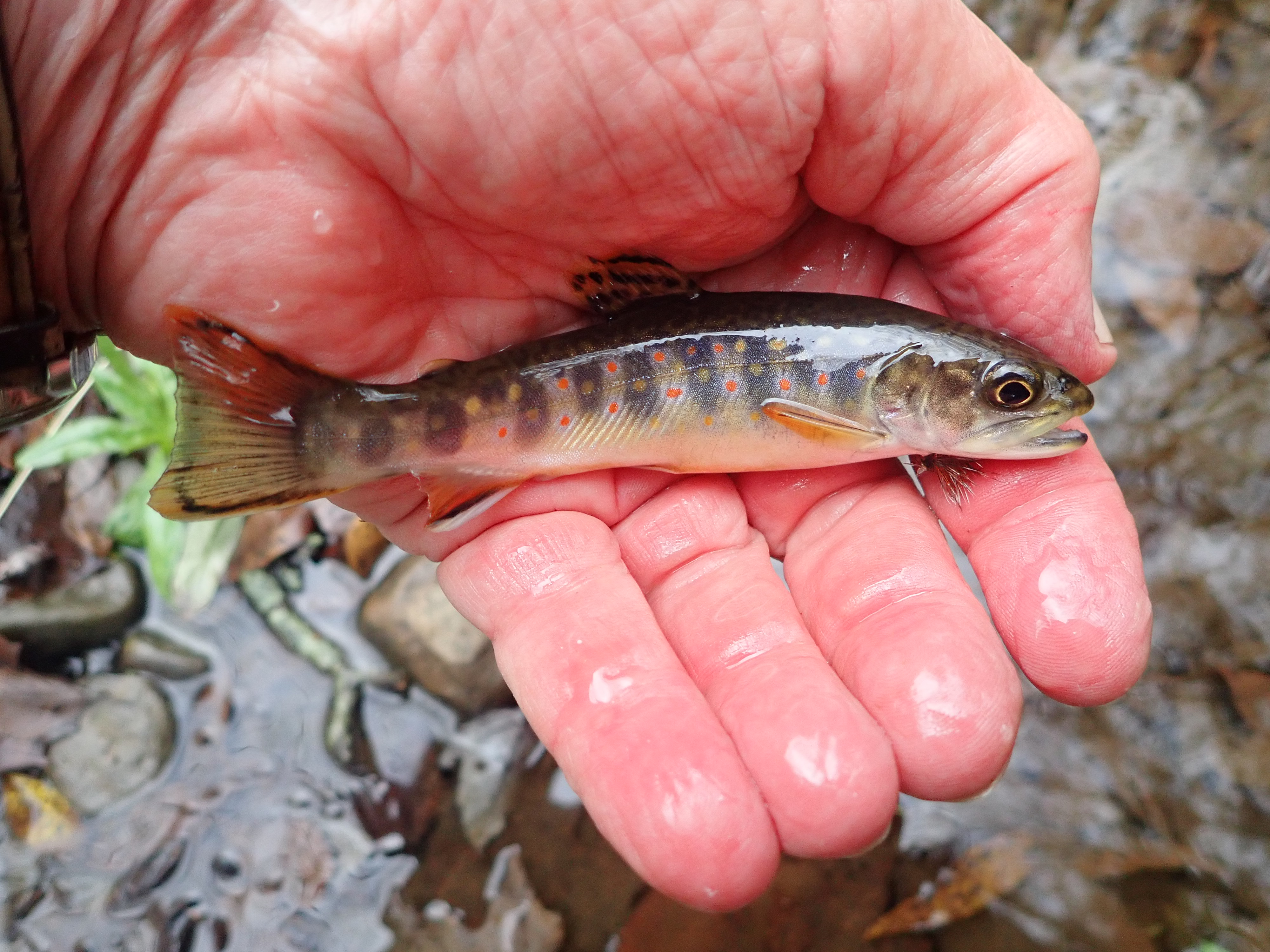
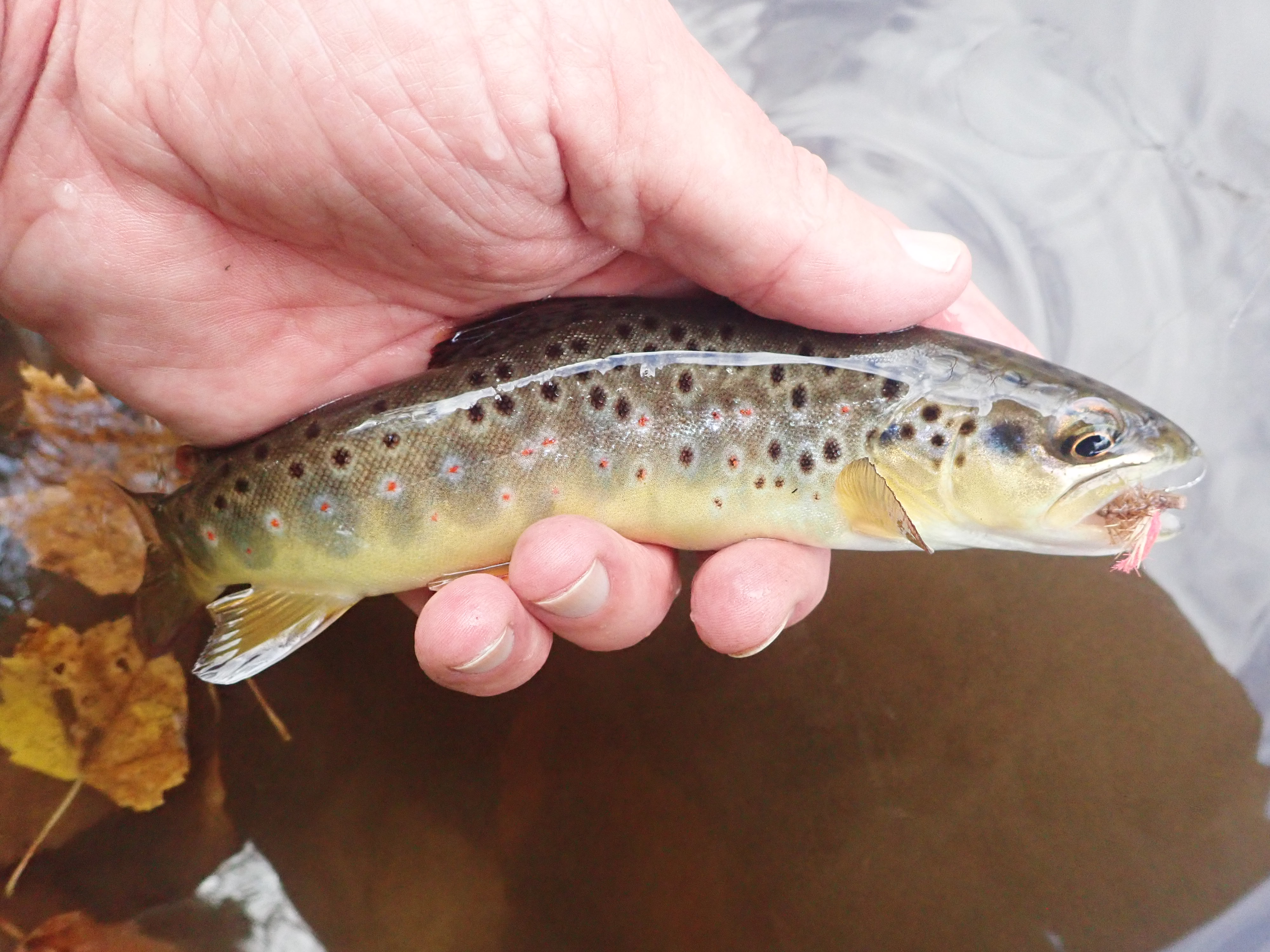
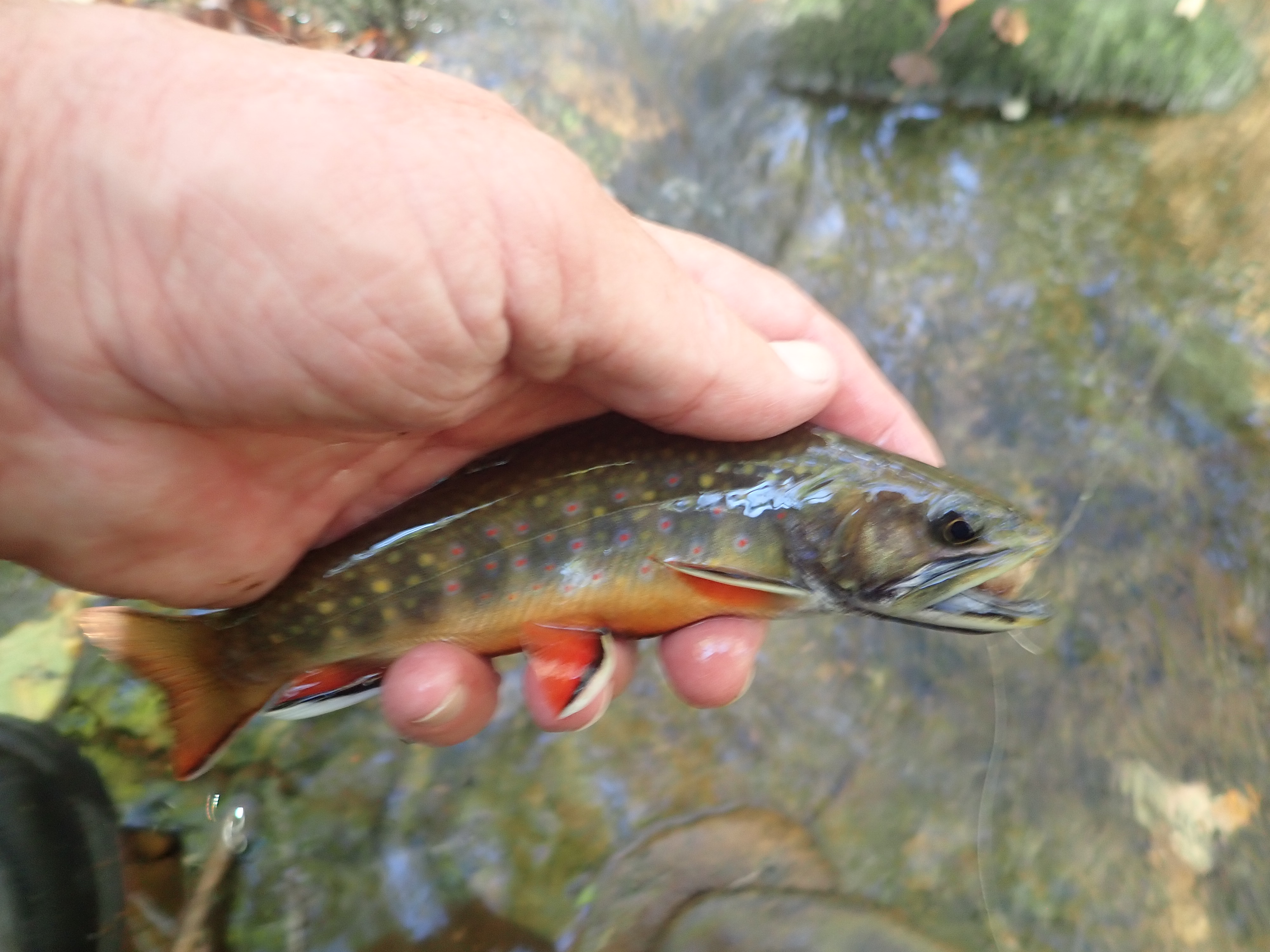
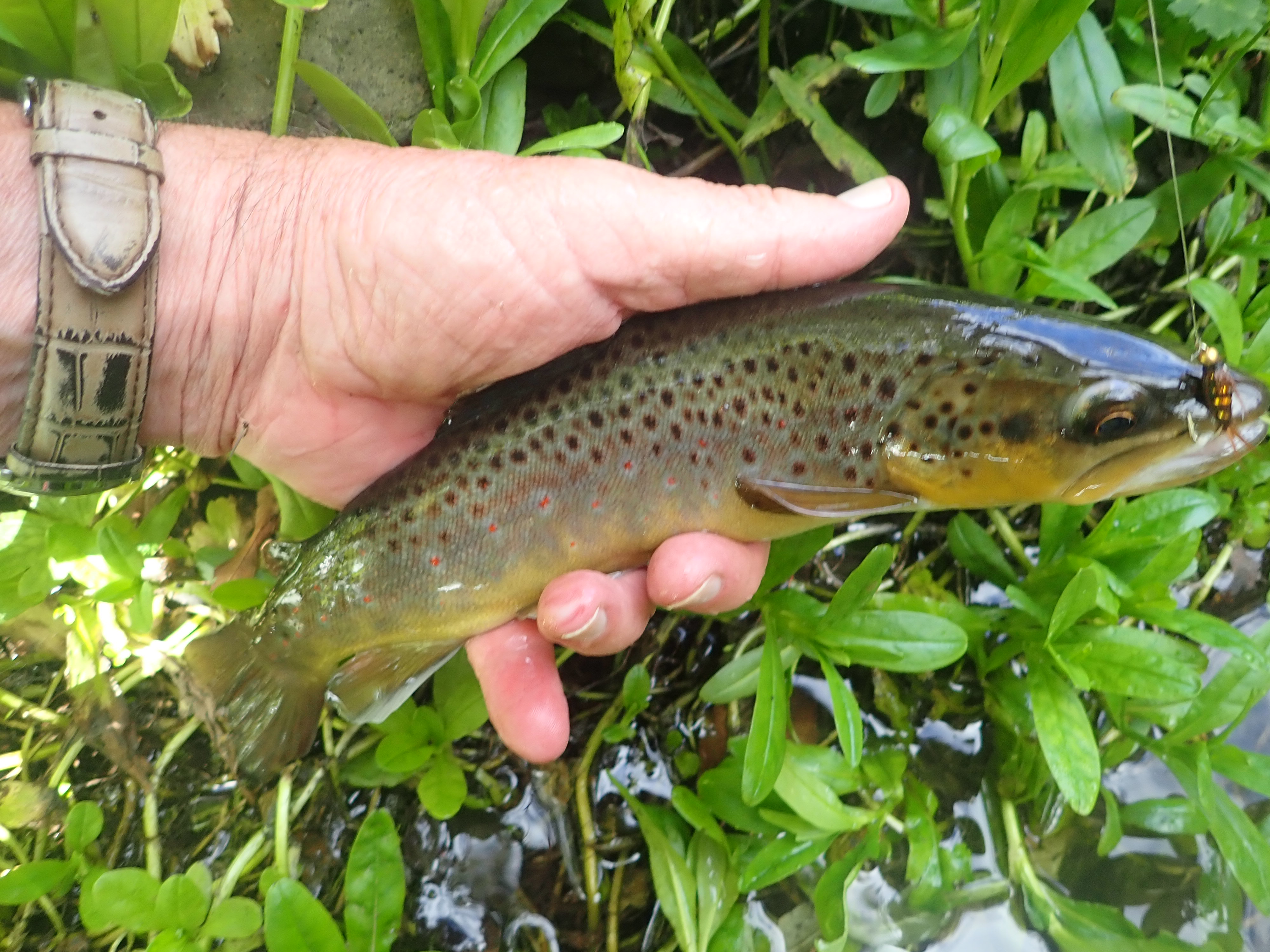
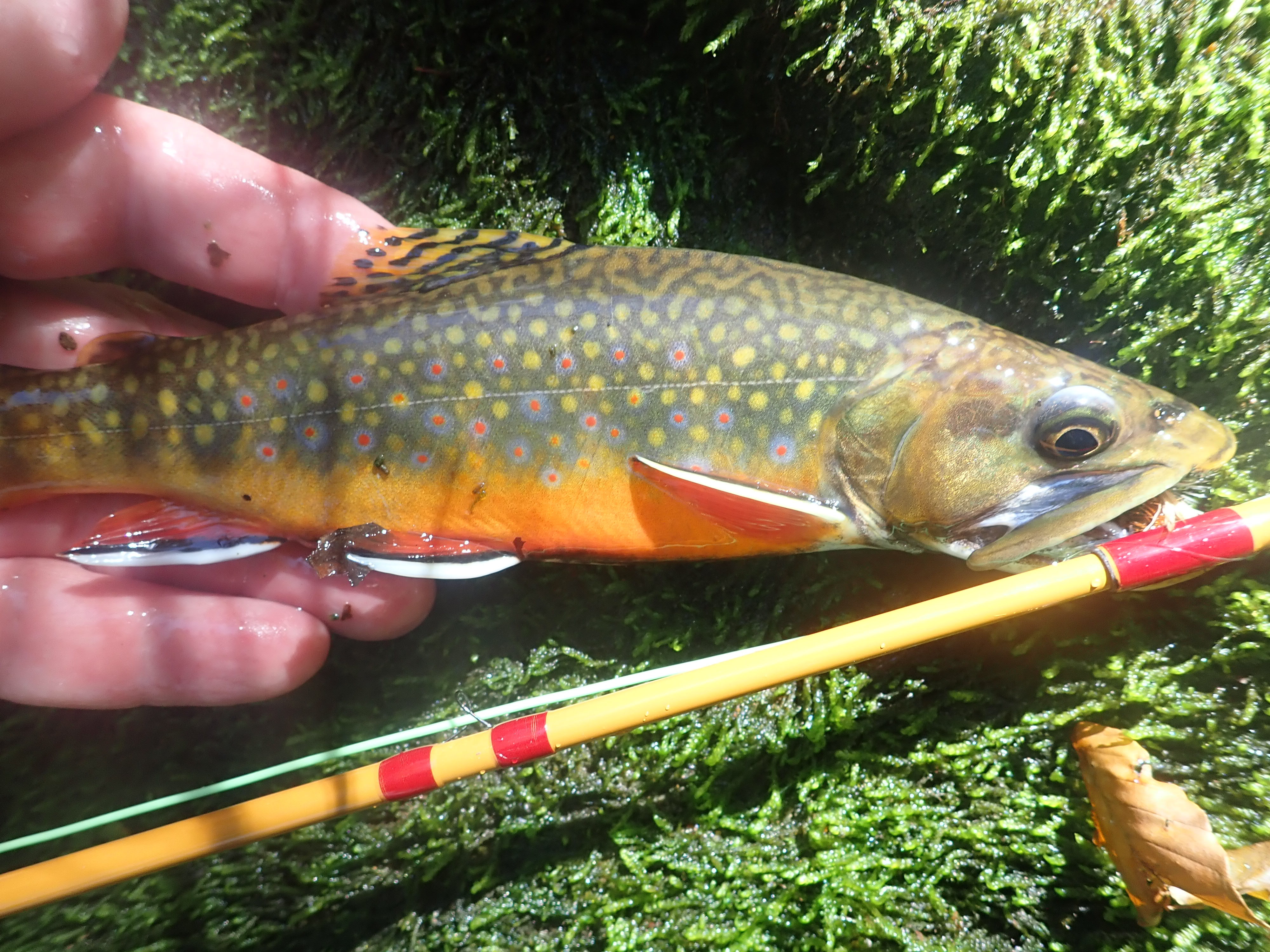
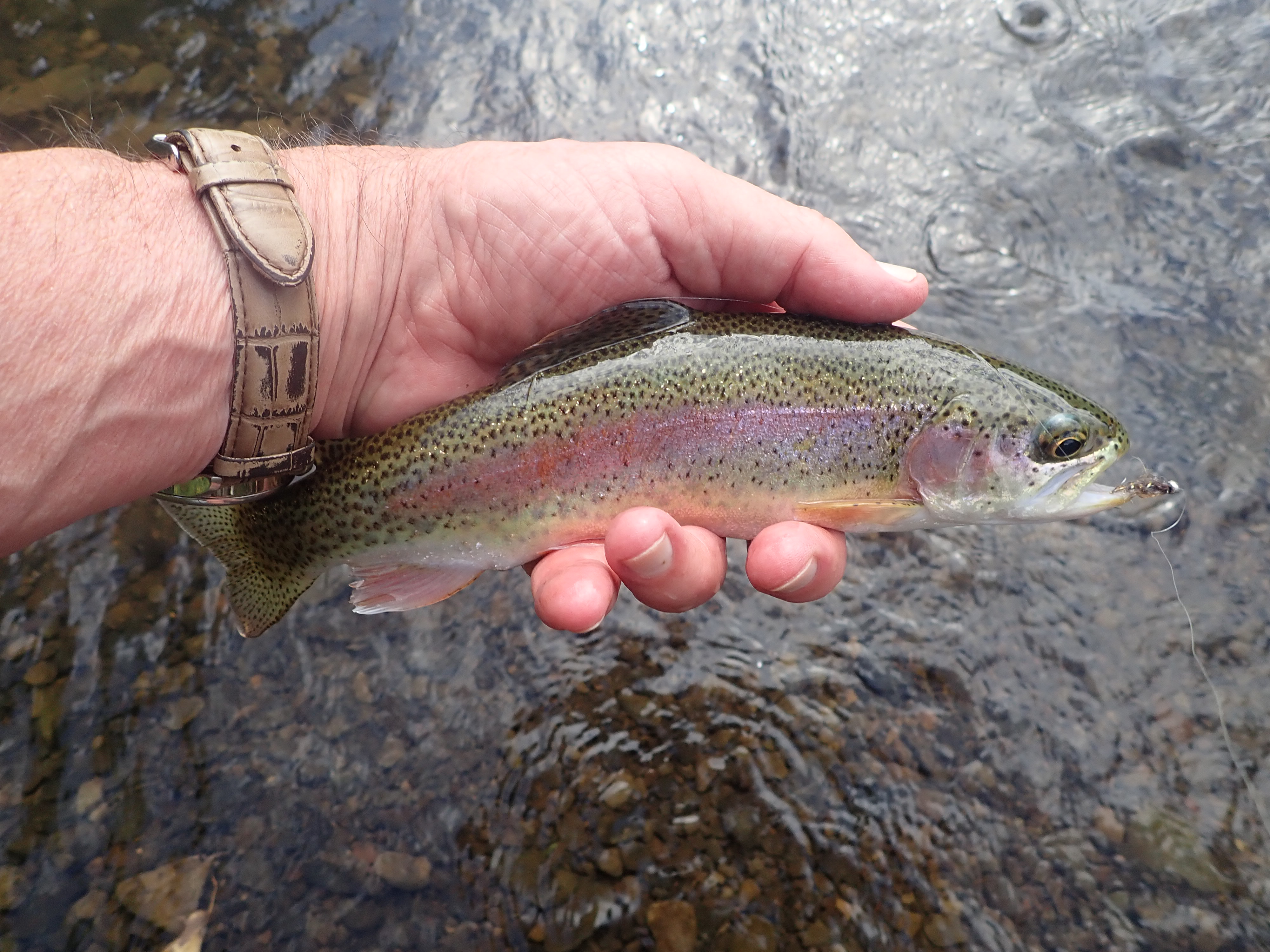
Whereas most watershed anglers today were fishing down on Pine Creek’s Delayed Harvest section near Slate Run village, I was miles away. Big browns up to 28 inches long had recently been stocked in Pine, but I was happy catching and releasing small native fish along with an occasional brown.
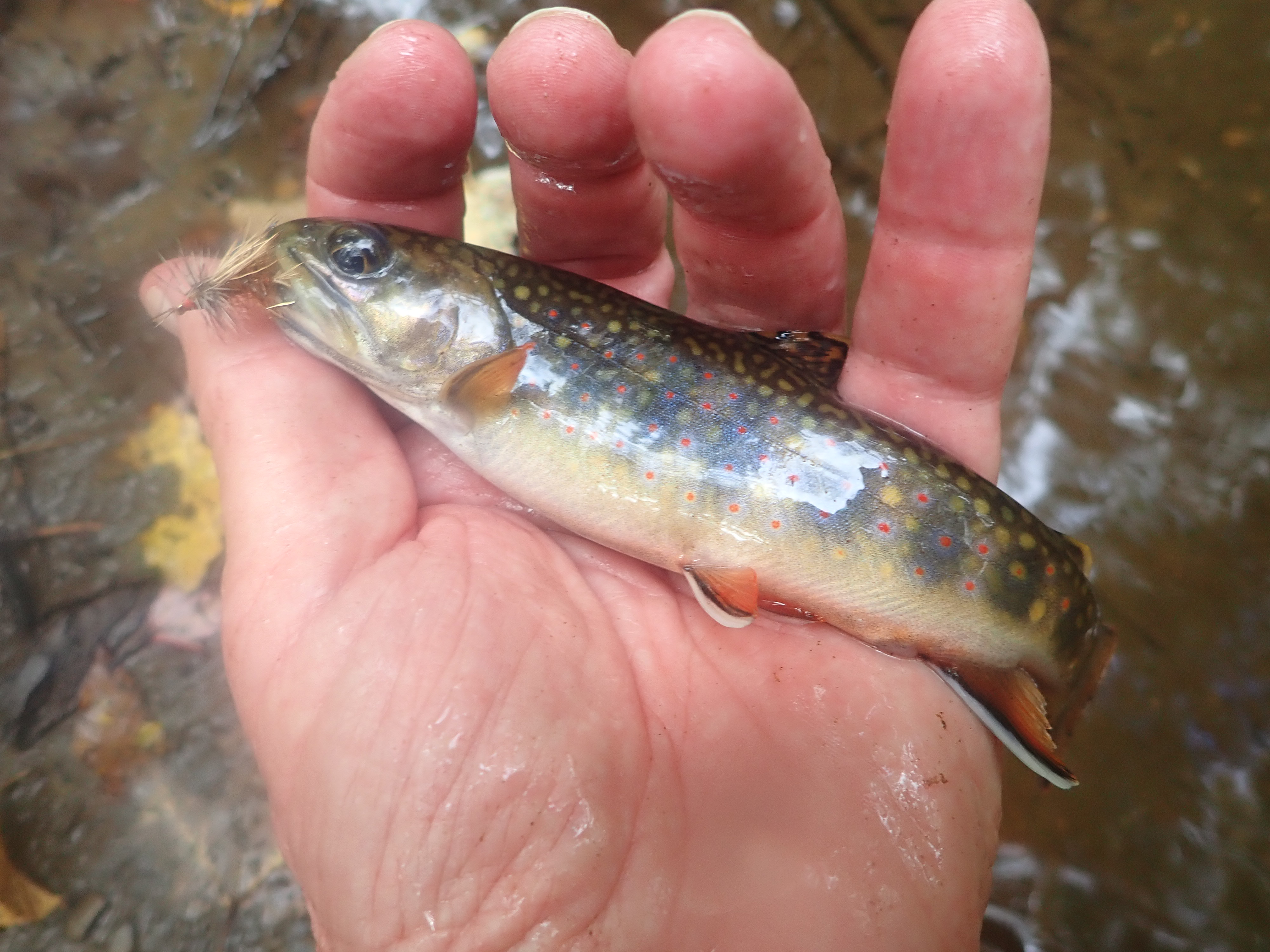
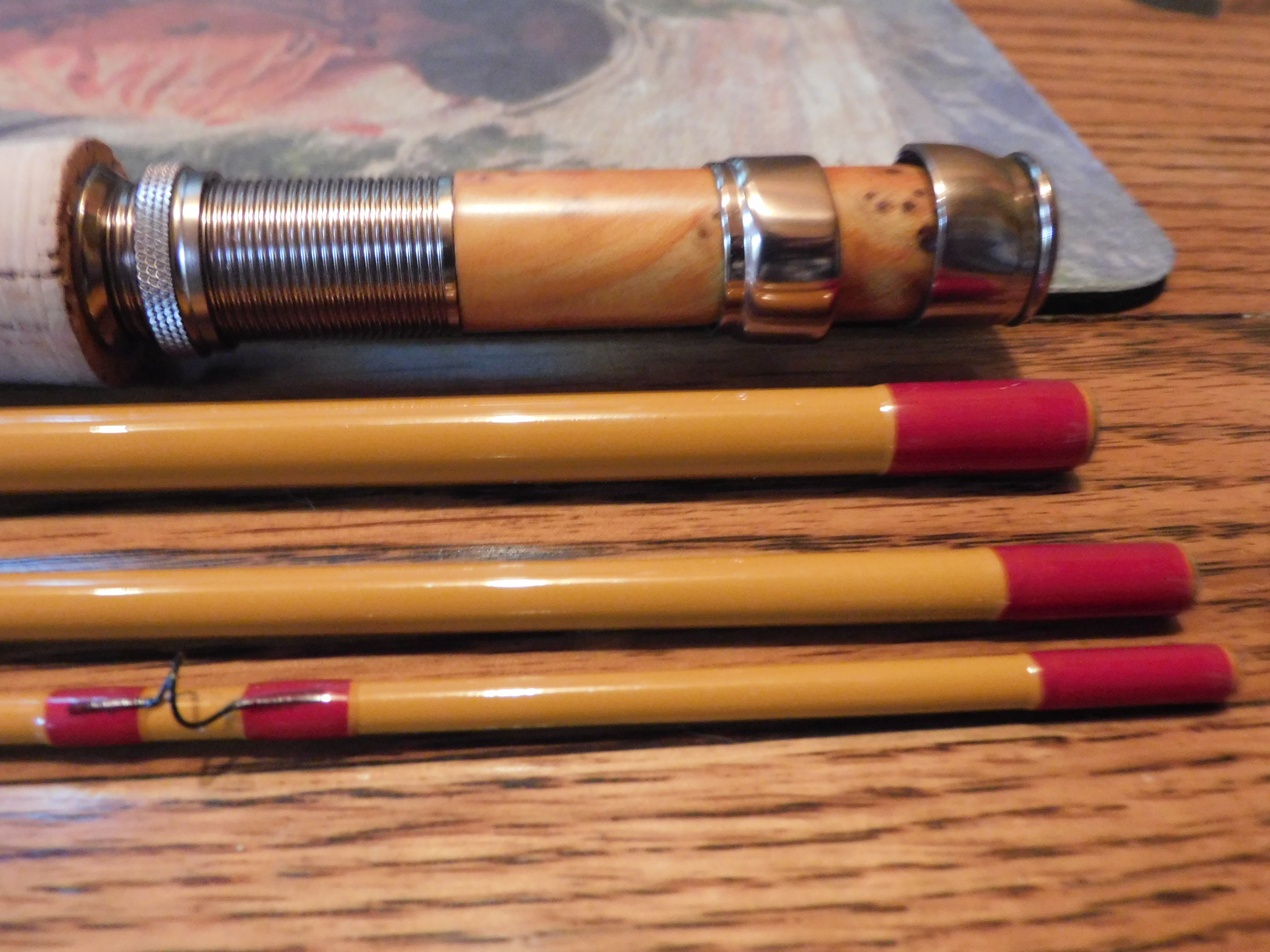
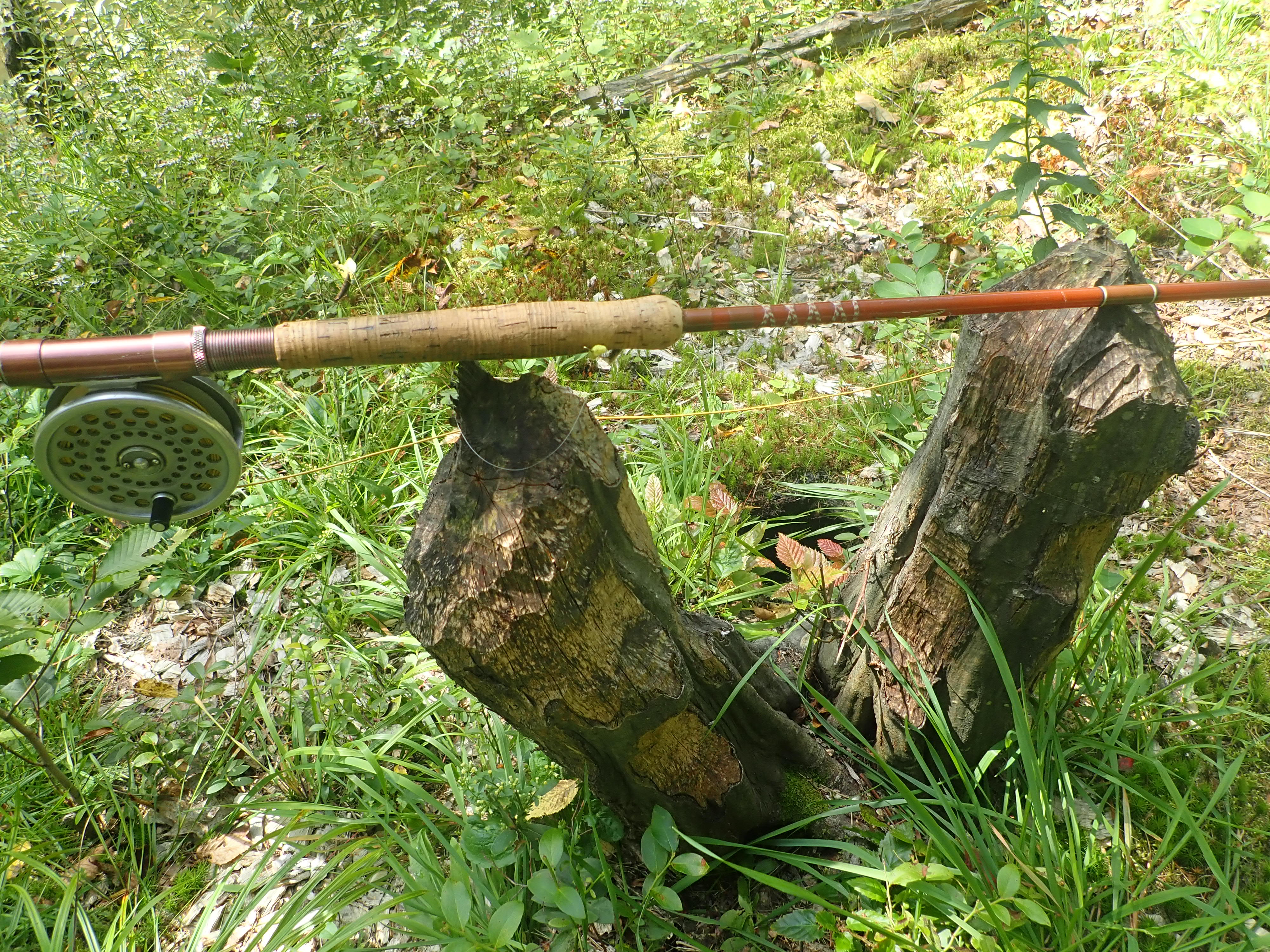
These wild fish were delightful. I picked them up on a barbless dry fly and a short tapered leader. A limber seven-foot rod made casting easy.
The humdrum social world was quieted for now. I find that small fish meeting you face to face in a beautiful locale provide as much enjoyment as big fish taken in a crowd.
The small native trout could care less who was bombing whom in the world, or who was beating whom at the races, or who would rake in the fruit of the latest Power Ball Lottery.
I wasn’t in Pennsylvania’s most remote locale, but I was close to it. Other than a charge for gasoline and a few items for lunch, it didn’t cost me much to get in here. The physical demands were minimal.
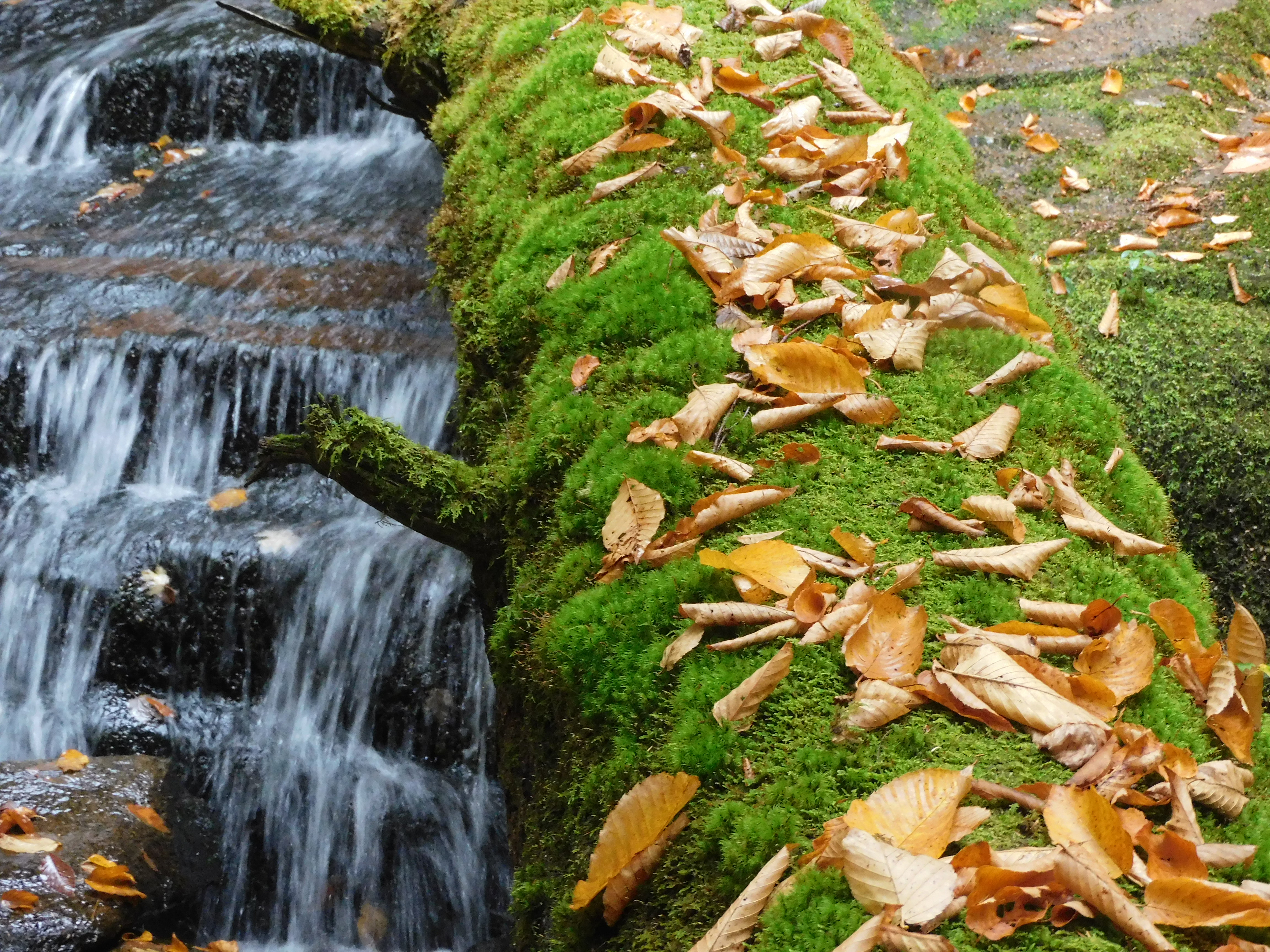
I stopped at the plunge pool of a small waterfall. If I could stop all time and still survive with all that was important to me in this moment, here would be a decent place to halt. With wild trout in the month of May.
There had to be a fish in that pool. I was down to a single thought. Do I stay with the dry fly, or go to the wet?